Overview
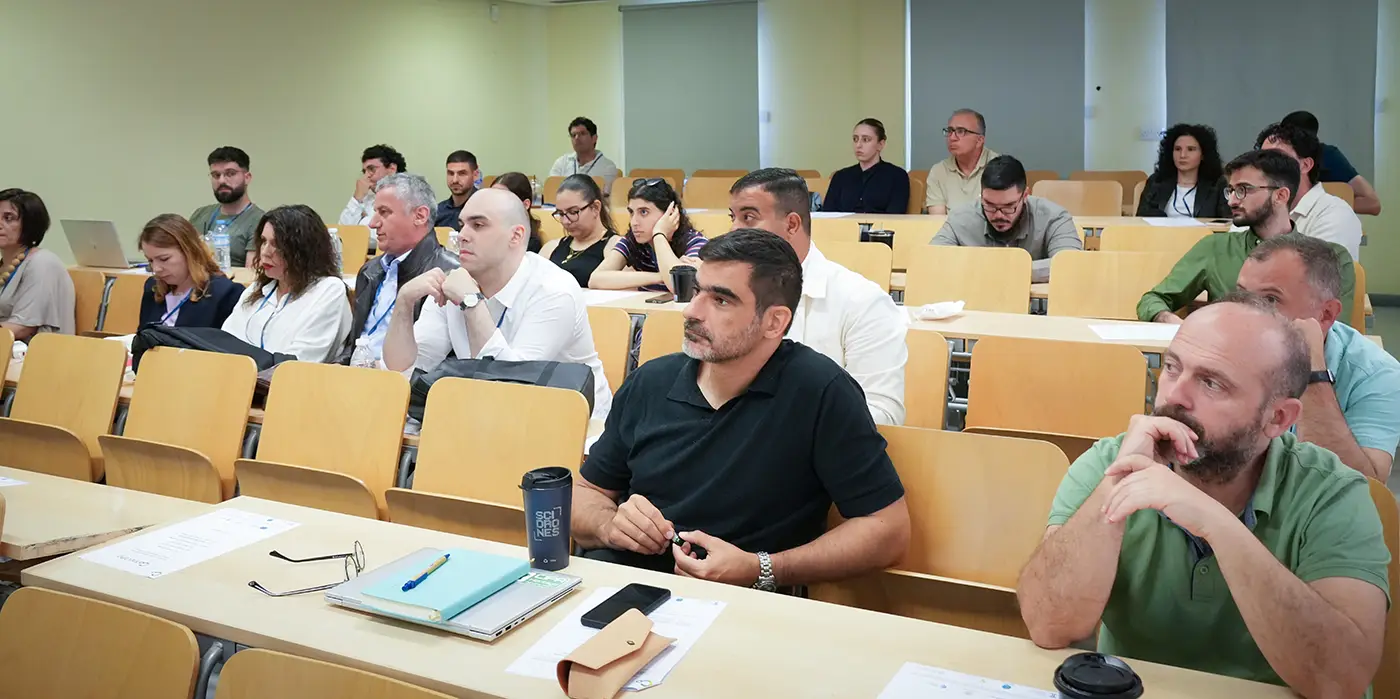
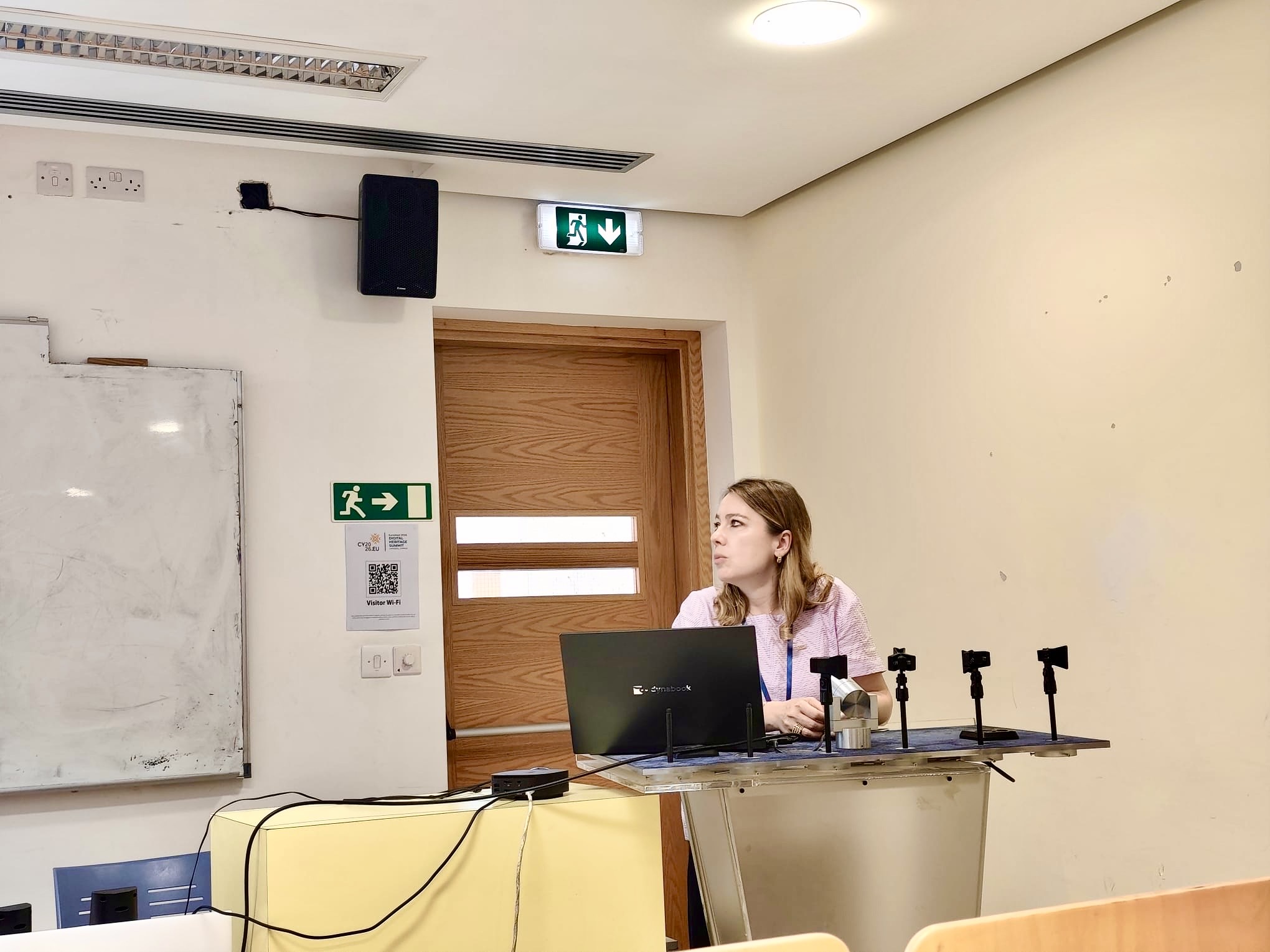
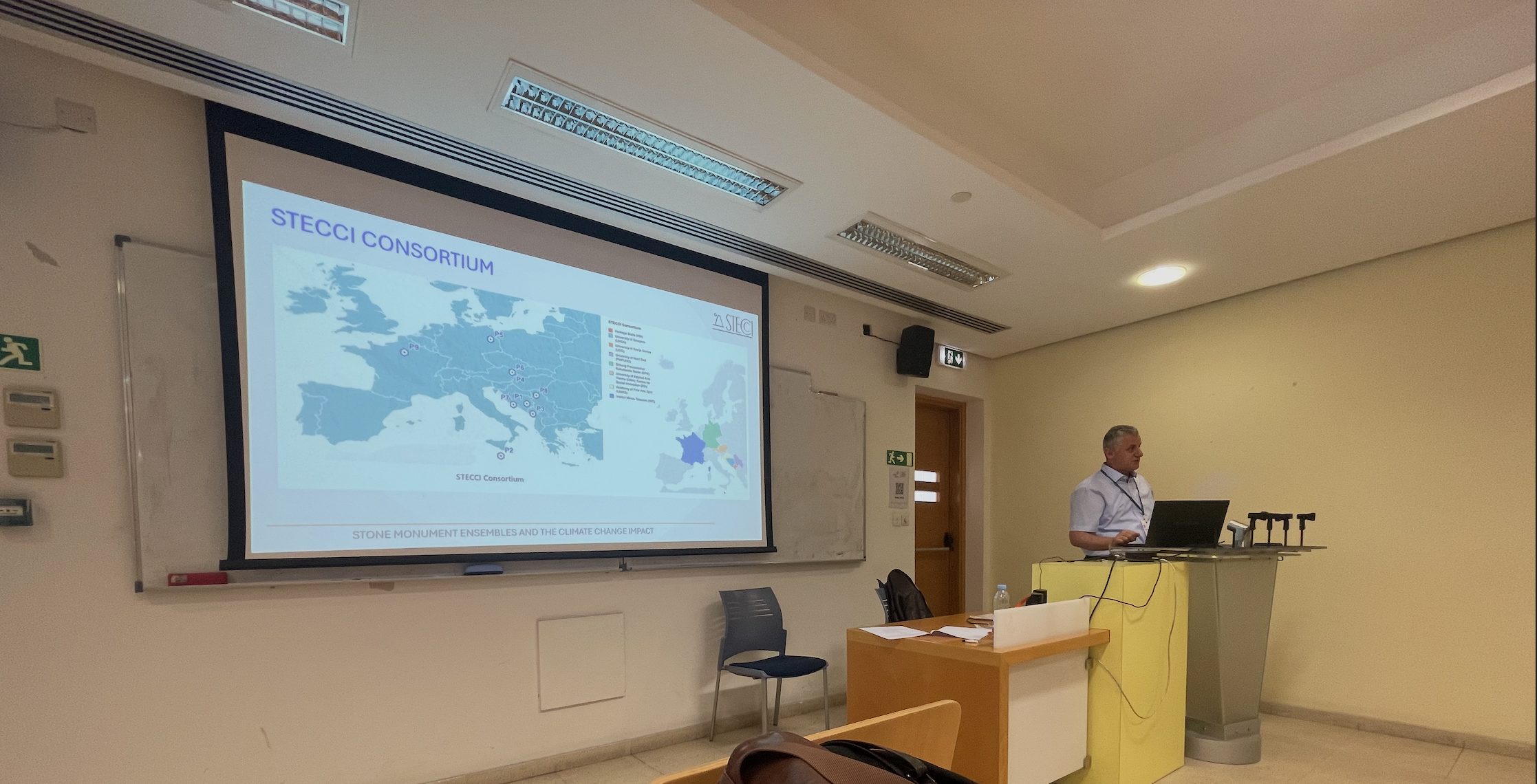
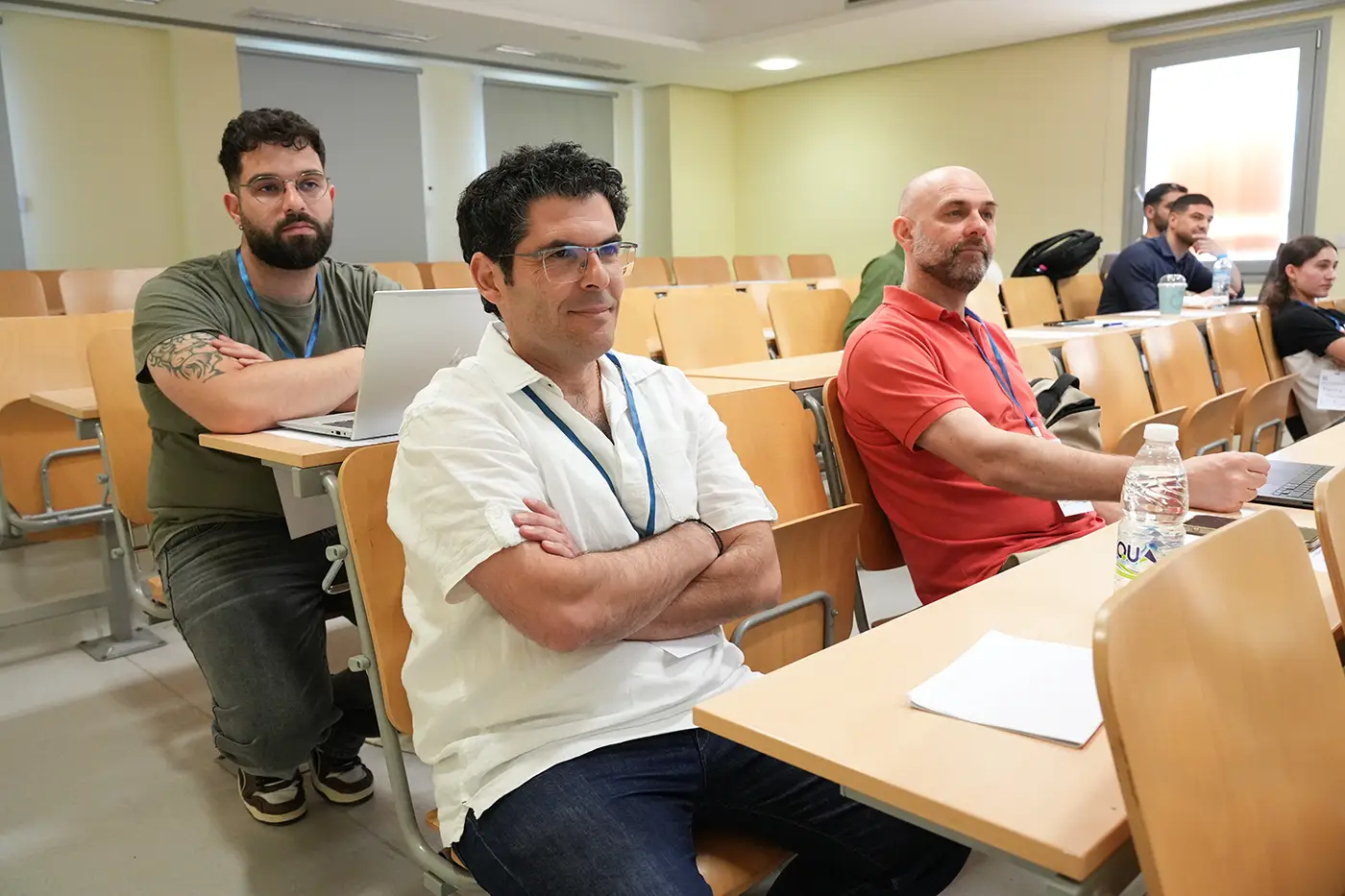
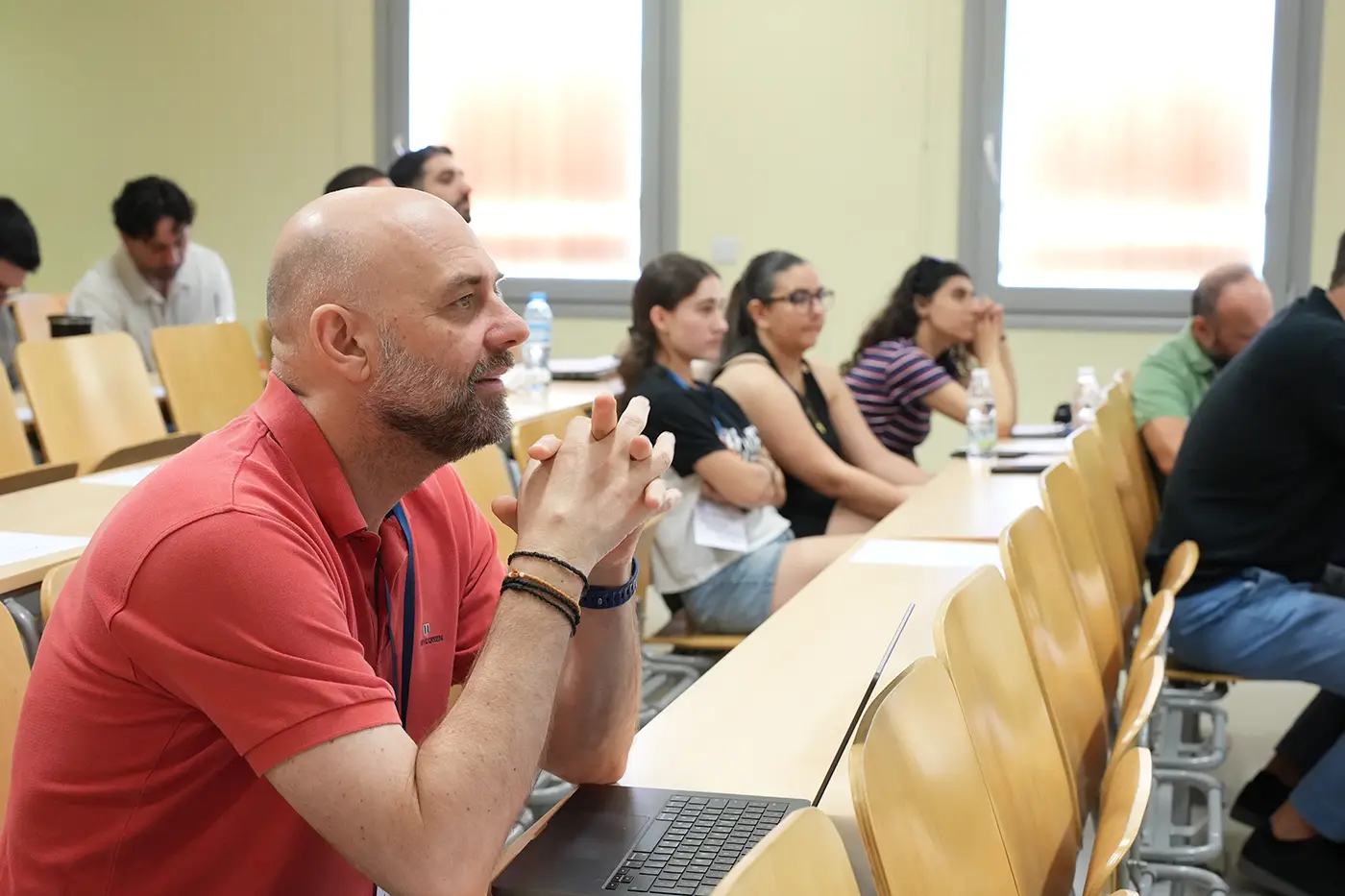
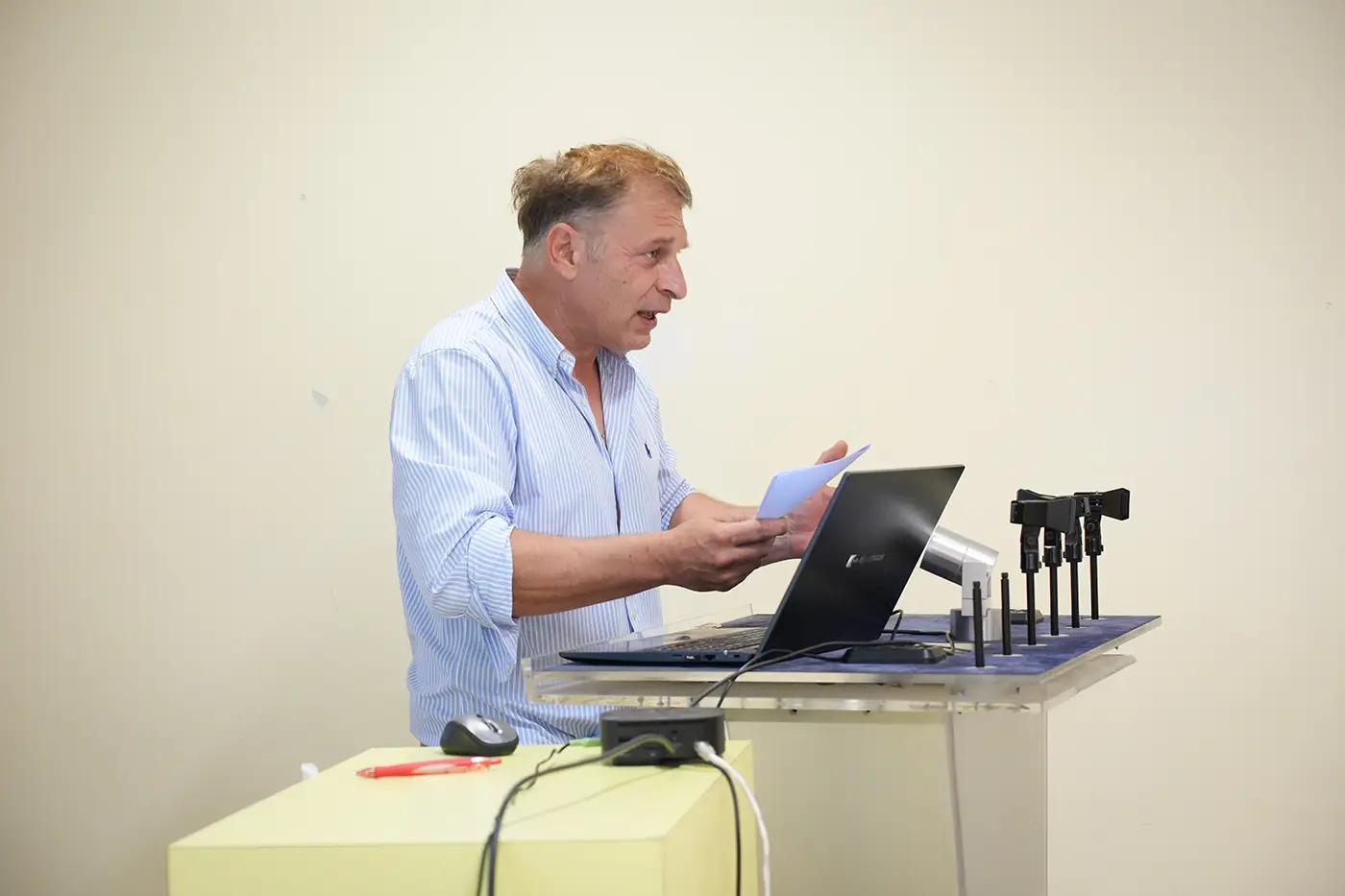
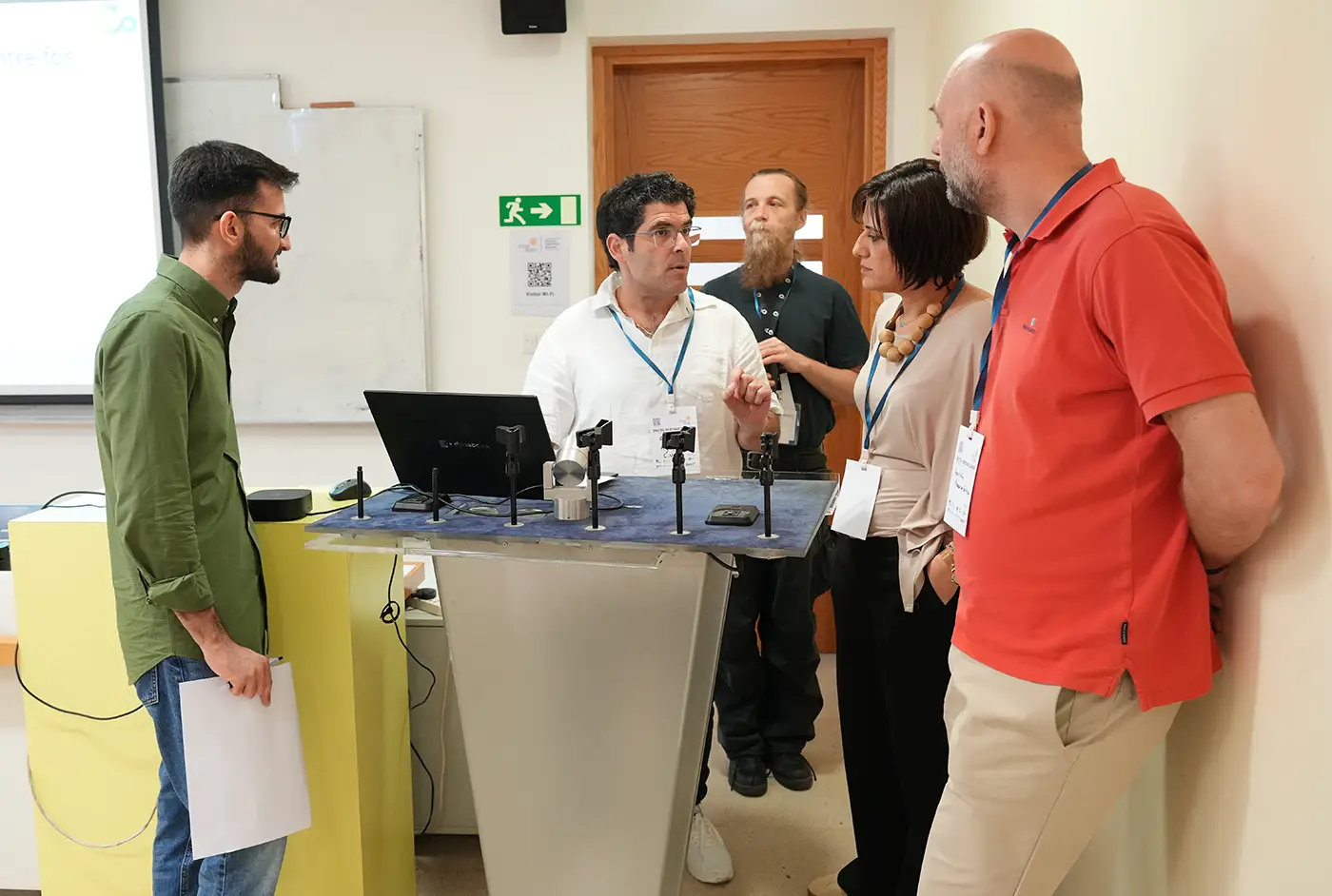
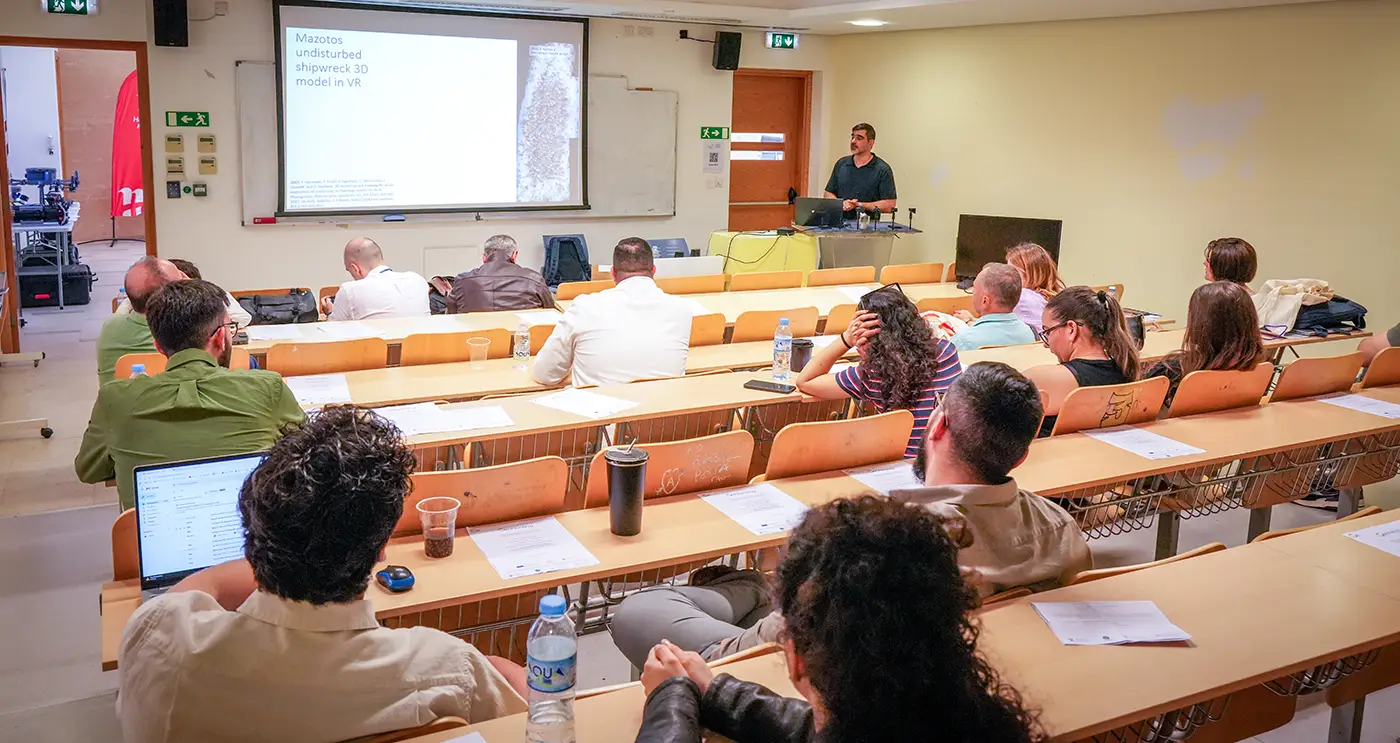
The STECCI team also participated in the final workshop of the CONNECTING – Research and Innovation Knowledge Centre for Engineering in Heritage project, held in Cyprus on 28 May 2026. In addition to presenting the STECCI project by UNSA, STECCI team members actively contributed to discussions on methodological approaches and shared challenges relevant to both projects.
Discussions initiated by Prof. Nusret Drešković (UNSA), Božidar Radulović and Prof. Snežana Radulović (UNSPMF) also addressed the use of GeoServer as a middleware component for serving geospatial data through standard OGC services (WMS/WFS), and MapStore as a client-side platform for the visualisation and interaction with climate, conservation and cultural heritage datasets. Particular attention was given to interoperability, FAIR data principles, self-hosted infrastructures and the challenges of integrating GIS layers, climate projections, monitoring data and 3D heritage assets within a unified digital ecosystem. The exchange provided an opportunity to compare technical approaches adopted within the STECCI and CONNECTING projects and to explore future possibilities for collaboration in the development of sustainable digital infrastructures for cultural heritage research and management.
Particular attention was given to the importance of multidisciplinary approaches in cultural heritage research and conservation. The project focuses on supporting evidence-based decision-making through advanced analytical equipment, integrated data management and the development of a cloud-based Data Centre designed to facilitate the use, re-use and dissemination of research results, services and products.
An additional value of STECCI’s participation was the opportunity to strengthen collaboration with members of the THETIDA project team from the University of Cyprus. Both THETIDA and STECCI are members of the EU Green Cluster on Cultural Heritage, which promotes cooperation among Horizon Europe projects addressing climate impacts, risk assessment, monitoring technologies and resilience of cultural heritage. The workshop therefore provided an important platform for knowledge exchange, networking and the identification of future opportunities for collaboration within the broader European heritage research.