Overview
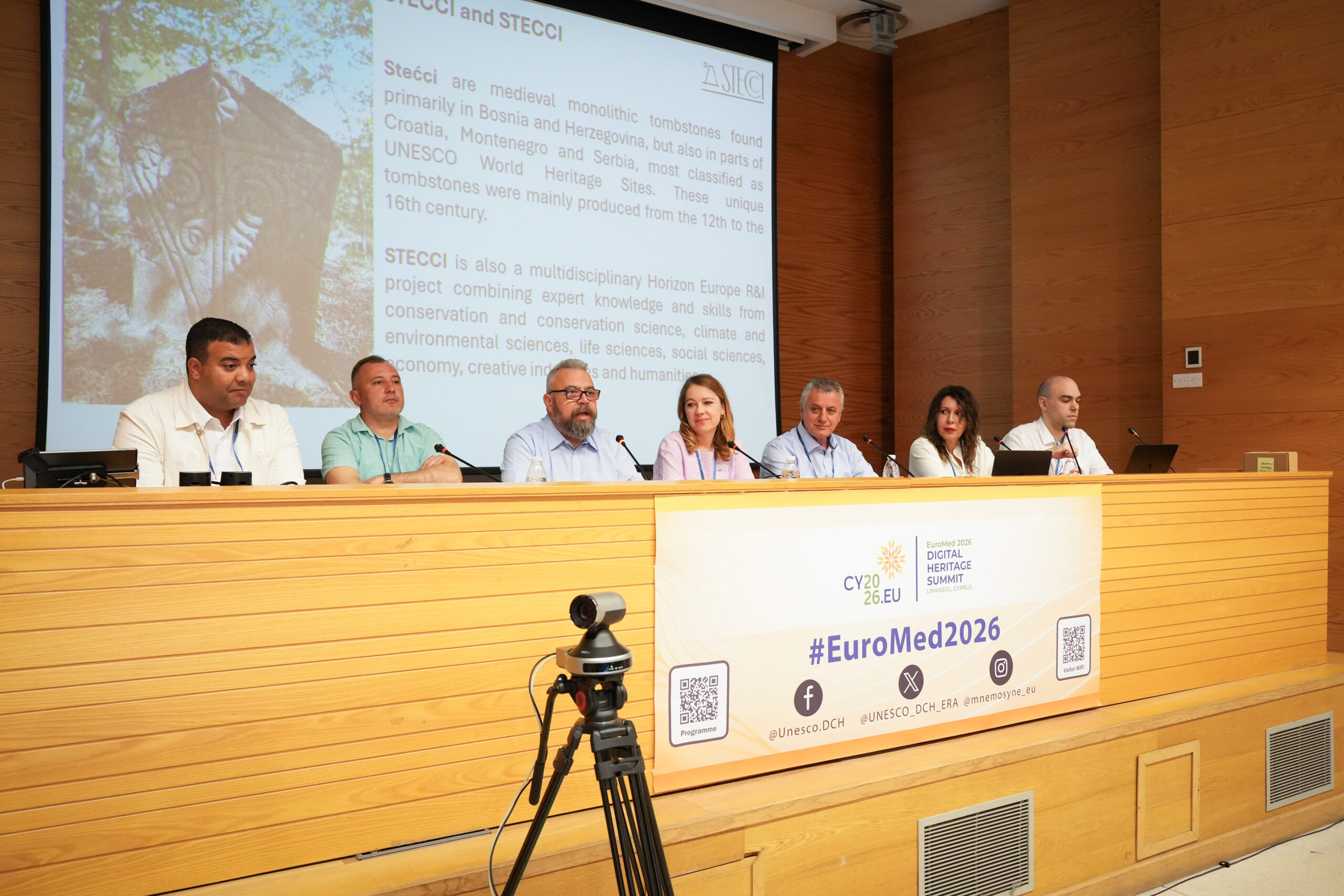
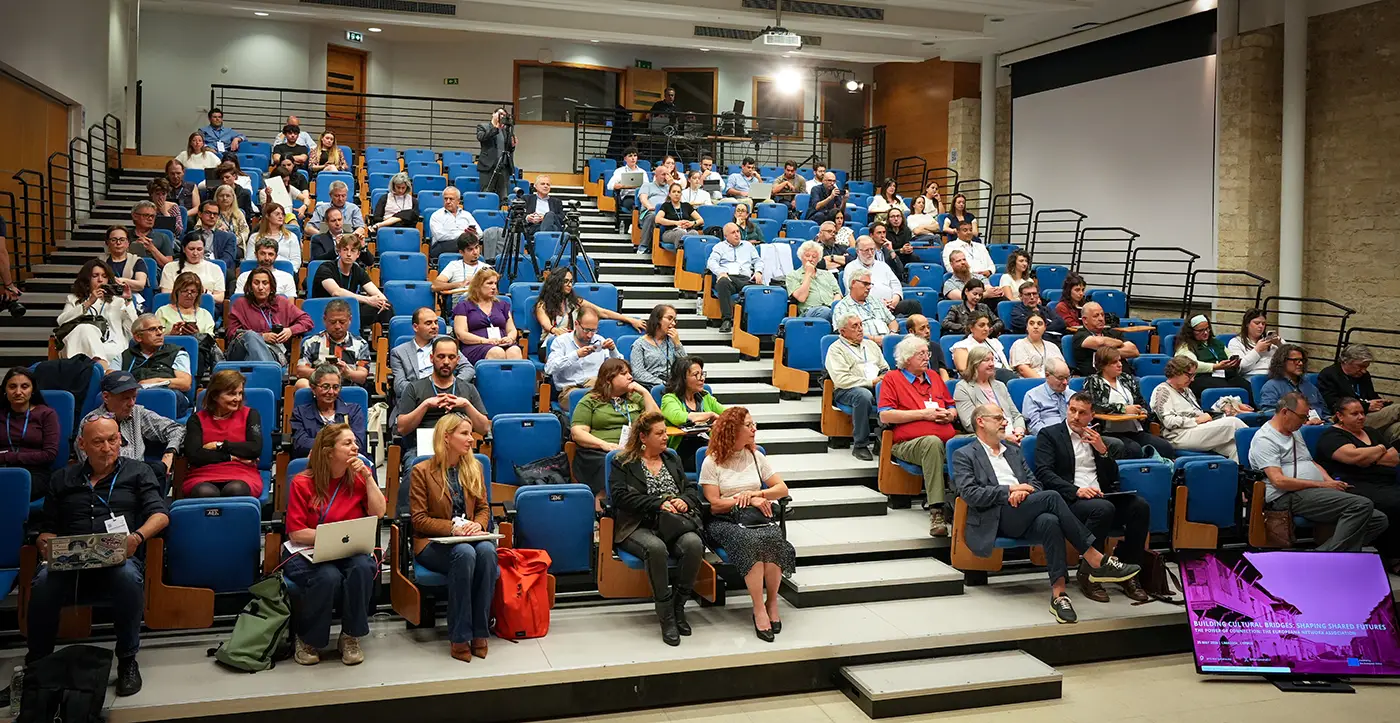
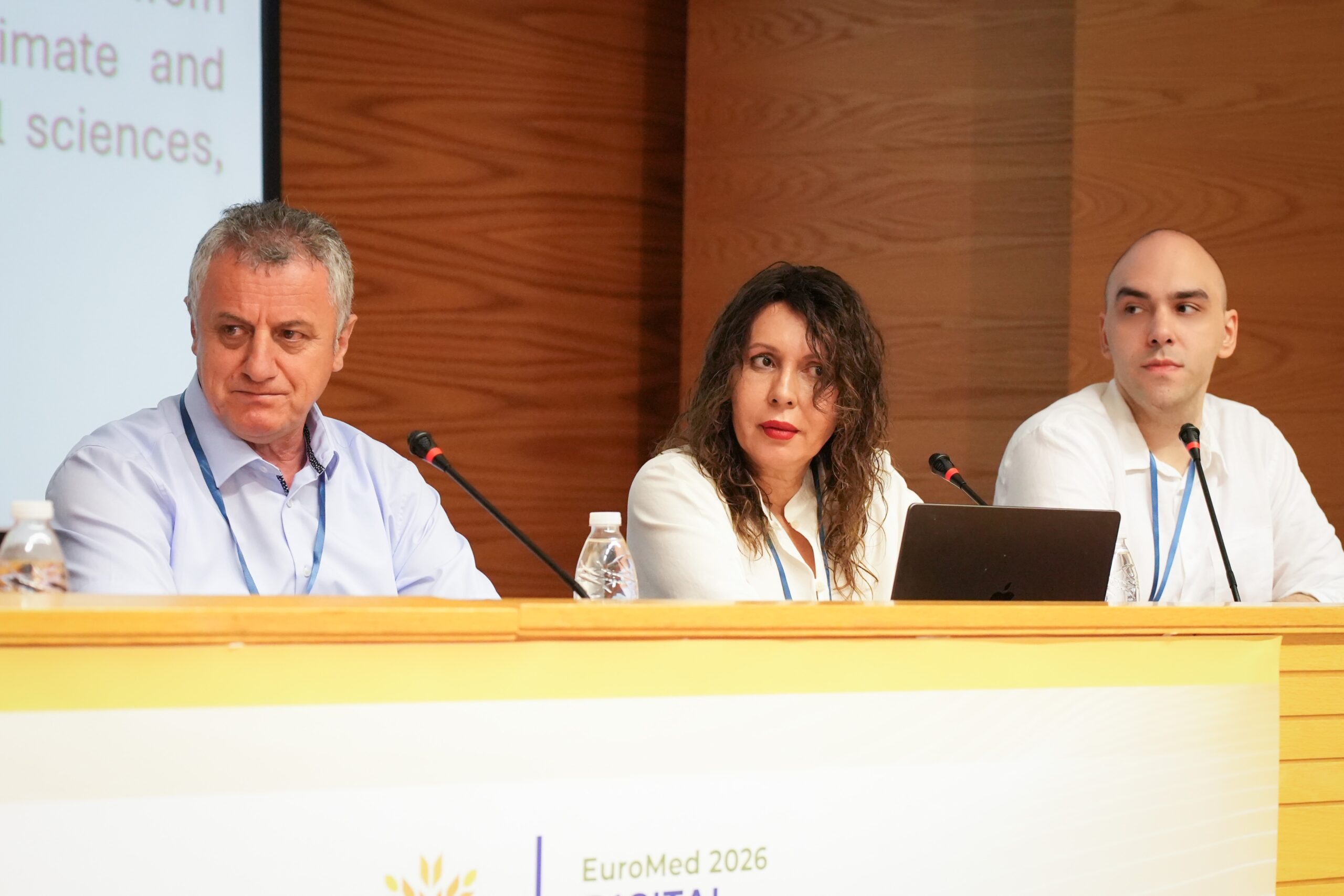
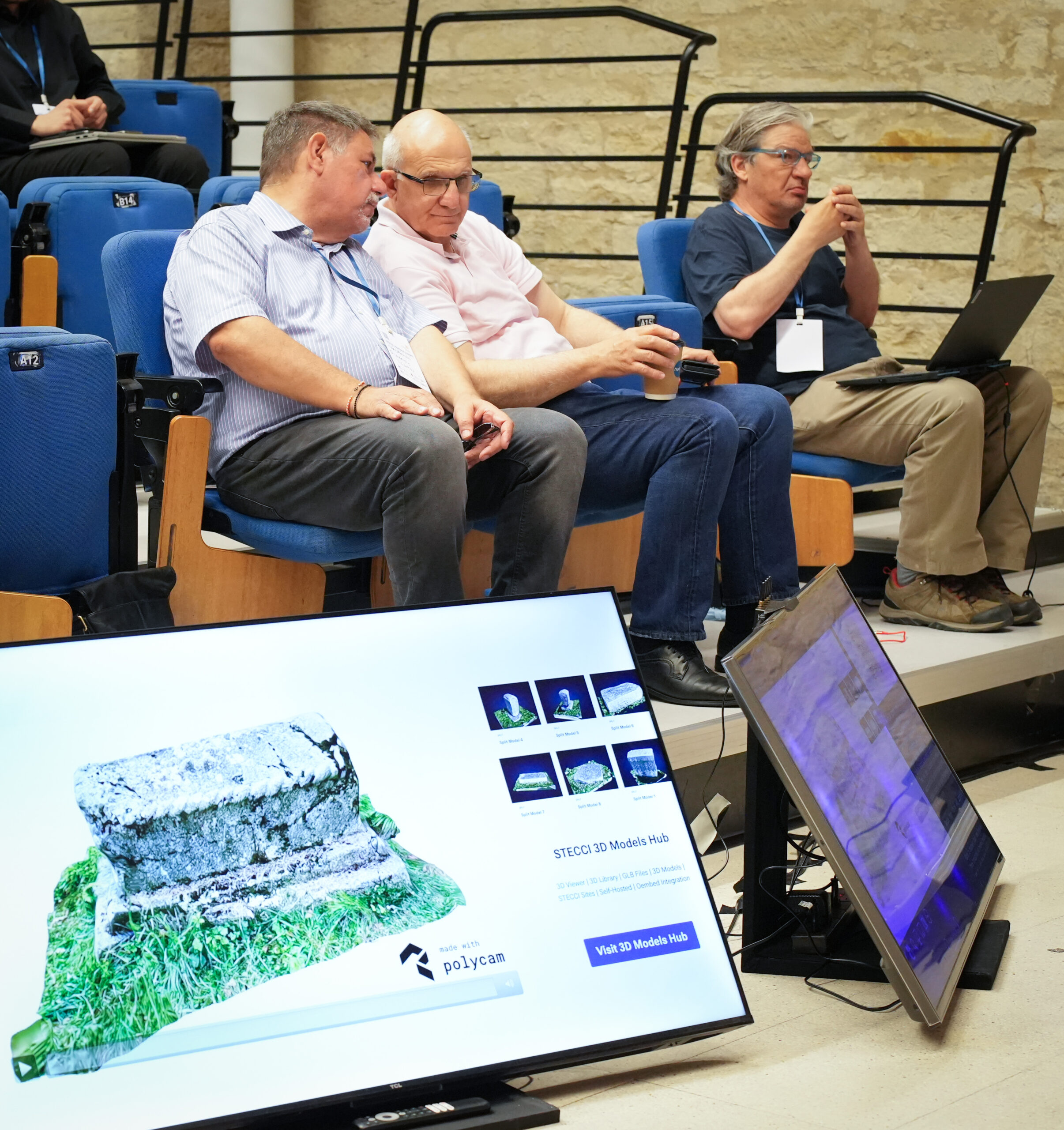
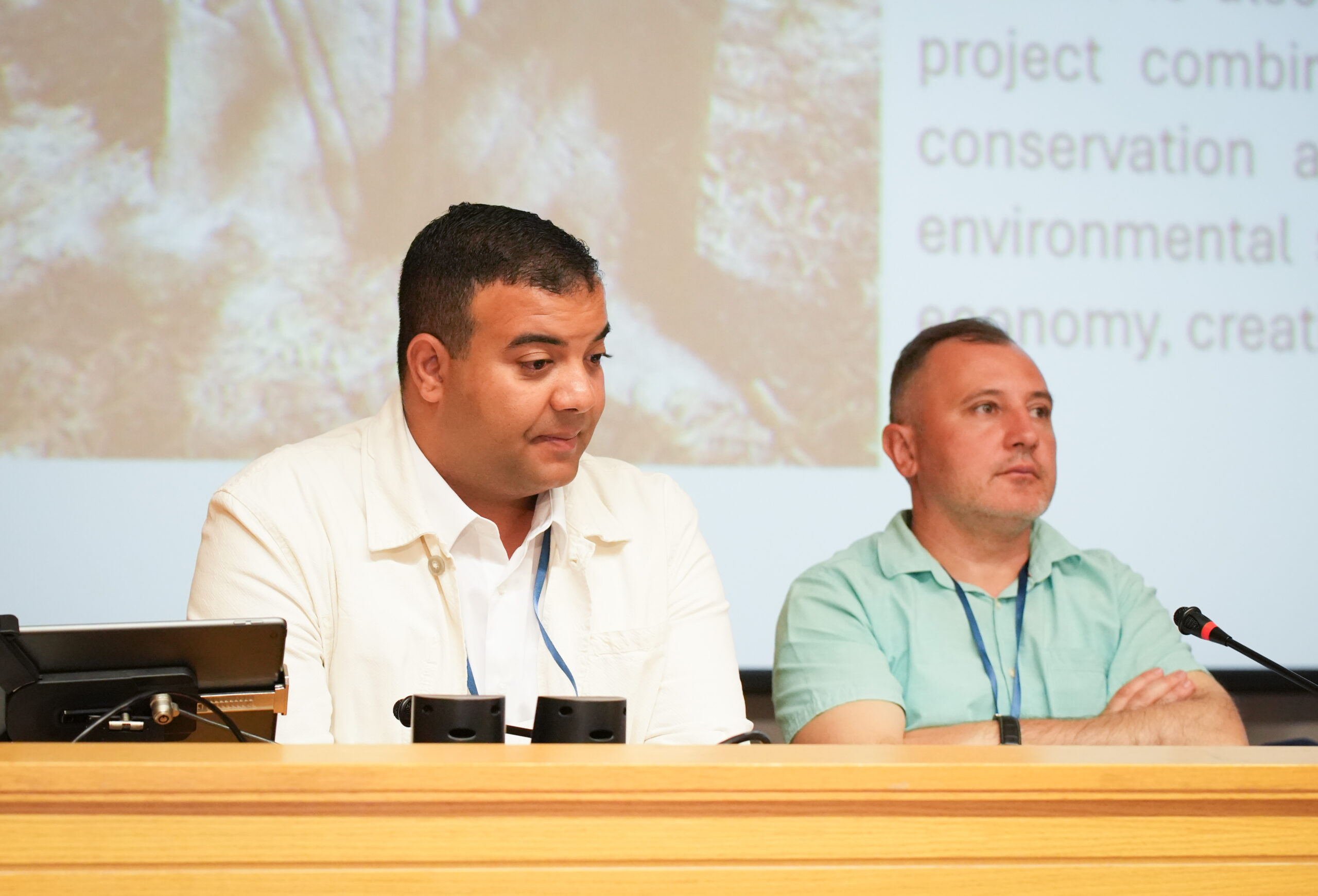
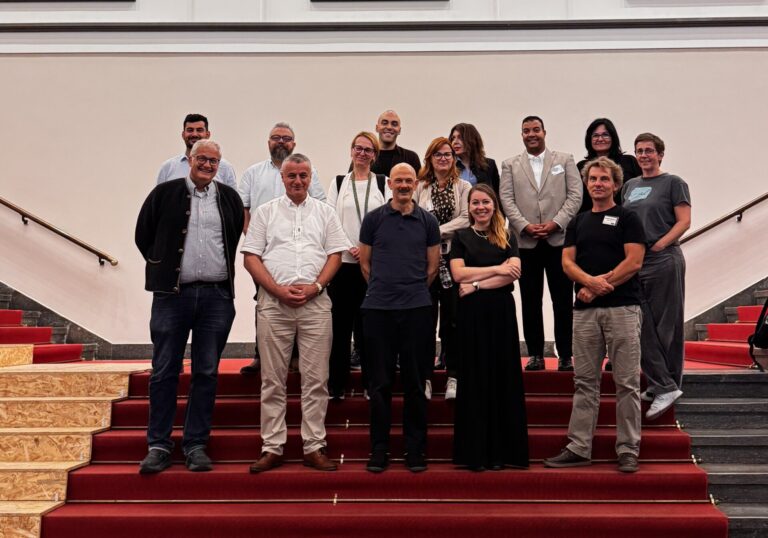
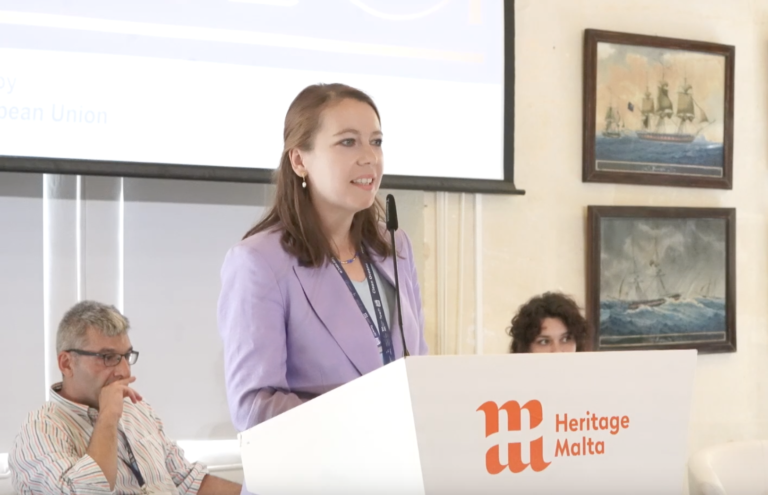
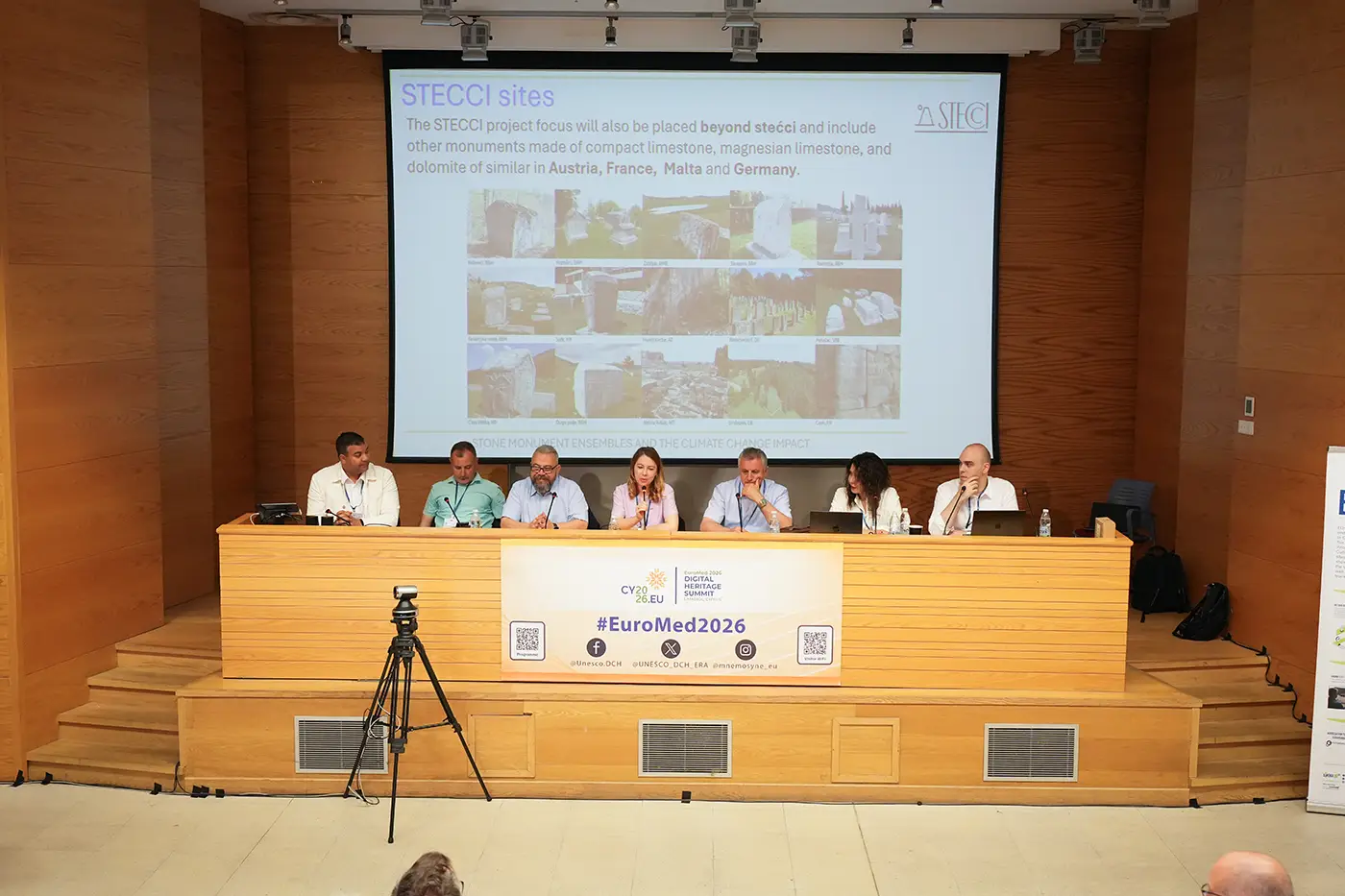
The STECCI consortium actively participated as panelists in the Round Table session held on 28 May 2026 during the Digital Heritage Summit in Limassol, Cyprus. The session was moderated by Prof. Marinos Ioannides and Anthony Cassar (Heritage Malta), bringing together experts from different disciplines to discuss challenges and opportunities in digital heritage, conservation, and climate resilience.
The panel opened with the screening of the STECCI promotional video, which was particularly well-received by the audience and concluded with warm applause.
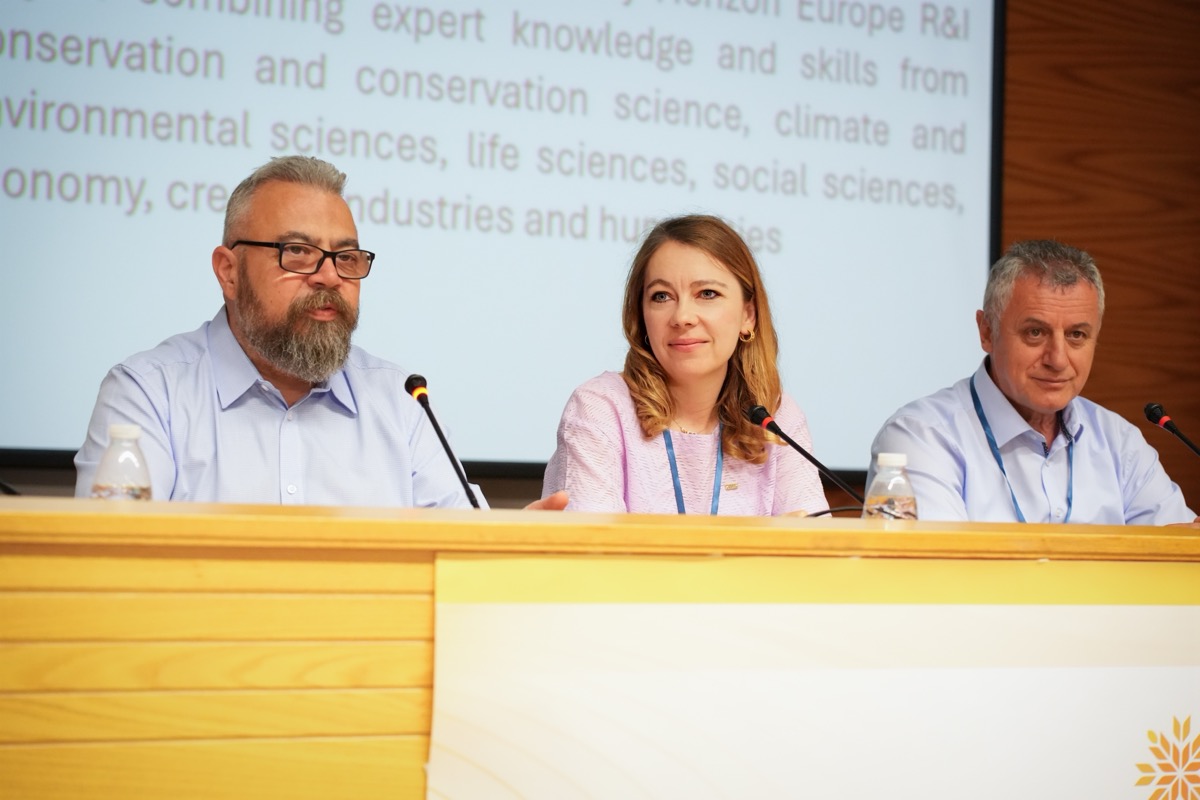
The discussion then continued with presentations by the STECCI Project Coordinator, Prof. Nusret Drešković (UNSA), and the Project Manager, Prof. Saida Ibragić (UNSA), highlighting how the project’s results and objectives align with the central themes of the Digital Heritage Summit. The presentation highlighted how digitisation can serve not only as a means of documentation and accessibility, but also as a strategic tool for climate adaptation, preventive conservation, long-term monitoring, and risk-informed heritage management. Particular emphasis was placed on the importance of the growing role of interdisciplinary collaboration in connecting conservation science, digital technologies, and heritage management. The presentation also addressed emerging opportunities offered by artificial intelligence, including STECCI’s ongoing exploration of AI-assisted approaches for the identification and interpretation of deterioration patterns in stone heritage, demonstrating how the project is adapting to rapidly evolving developments in the digital heritage landscape.
Anthony Cassar focused on the Digitisation Work Package, highlighting both the advantages and challenges of working within a highly multidisciplinary consortium that combines climate science, conservation, digitisation, economics, social sciences and heritage management. Particular attention was given to the challenges of managing large digital heritage datasets, long-term storage requirements and the importance of interoperable digital infrastructures.
As part of this discussion, Božidar Radulović (UNSPMF) presented the technical architecture of the STECCI digital platform, explaining the selection of the Smithsonian Voyager 3D viewer, the structure of the STECCI Digital Atlas, and the rationale behind the project’s self-hosted infrastructure. The presentation emphasized the importance of data sovereignty, long-term sustainability, flexibility, and full control over project-generated digital assets, including 3D models, climate datasets, and geospatial information.
Prof. Snežana Radulović (UNSPMF) was invited to discuss the Dissemination, Exploitation and Communication (DEC) strategy of the project. She presented STECCI’s approach to policy outreach and the development of Policy Briefs aimed at supporting evidence-based decision-making in cultural heritage preservation under climate change. Particular emphasis was placed on the role of communication in bridging the gap between scientific research, policymakers, heritage managers, and local communities.
Prof. Edin Bujak (UNSA) presented the historical and archaeological significance of stećci, emphasizing their unique role as witnesses of the cultural, artistic, and social history of medieval Southeast Europe. He highlighted the Outstanding Universal Value of the stećci necropolises recognized by UNESCO, stressing their importance as a shared cultural heritage of Bosnia and Herzegovina, Croatia, Montenegro, and Serbia.
Dr. Abdelrhman Fahmy presented the general framework for condition assessment activities within STECCI, including the selection of methodologies, field and laboratory approaches, and the challenges associated with obtaining permissions for digitisation, documentation, and long-term use of heritage-related datasets. The discussion highlighted the importance of balancing open science principles with legal, ethical, and institutional requirements related to cultural heritage data.
The round table generated significant interest among participants and provided an excellent opportunity to showcase STECCI as a model of interdisciplinary cooperation. The discussion demonstrated how digitisation, climate science, condition assessment, conservation practice, stakeholder engagement, and policy development can be successfully integrated into a comprehensive framework for the protection of cultural heritage under changing environmental conditions. The session also reinforced the importance of collaboration between research projects and international initiatives addressing the future resilience of cultural heritage in Europe.
Panel Discussion Video
(STECCI Part Timestamp: 6:30 – 1:15:40)