Overview
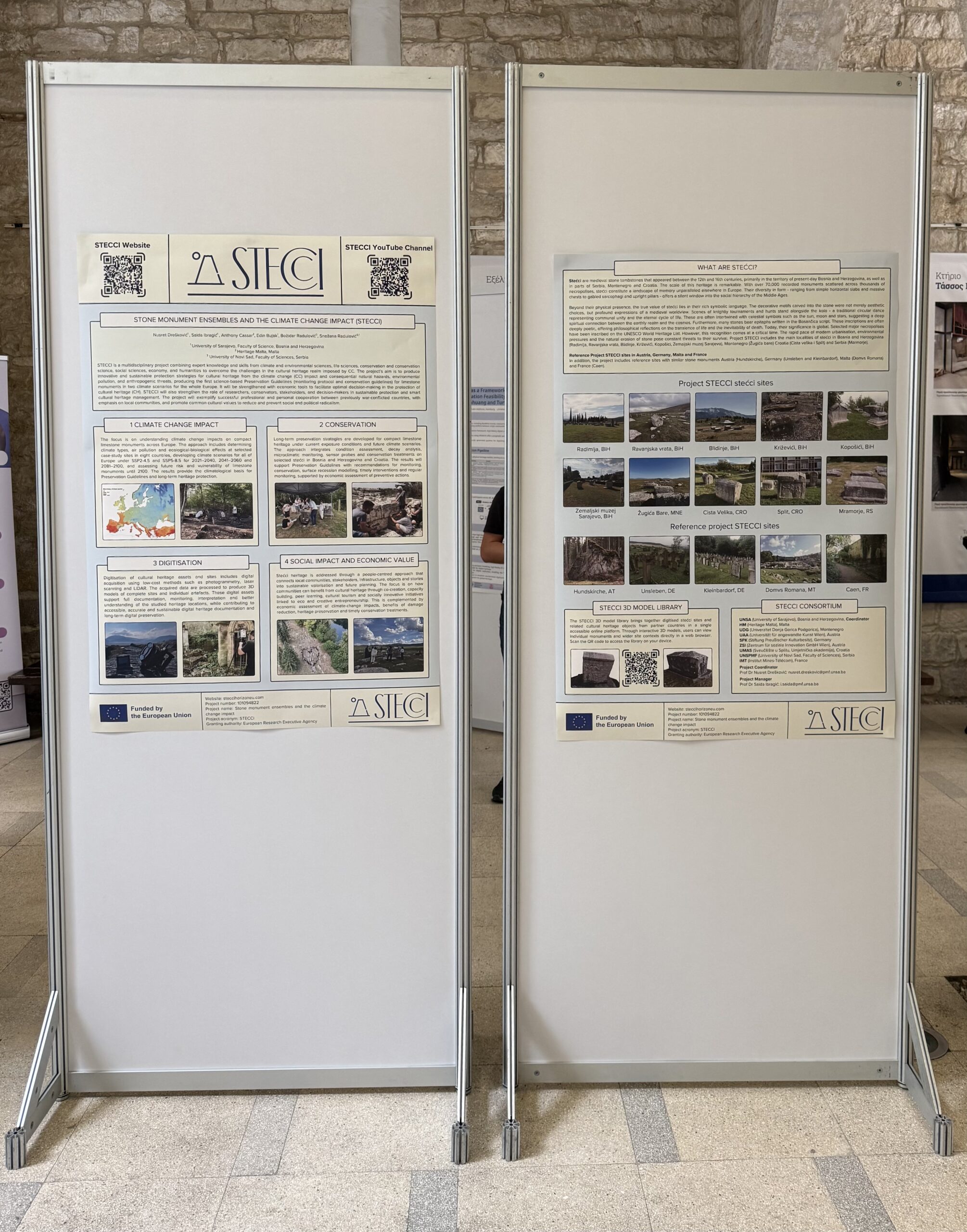
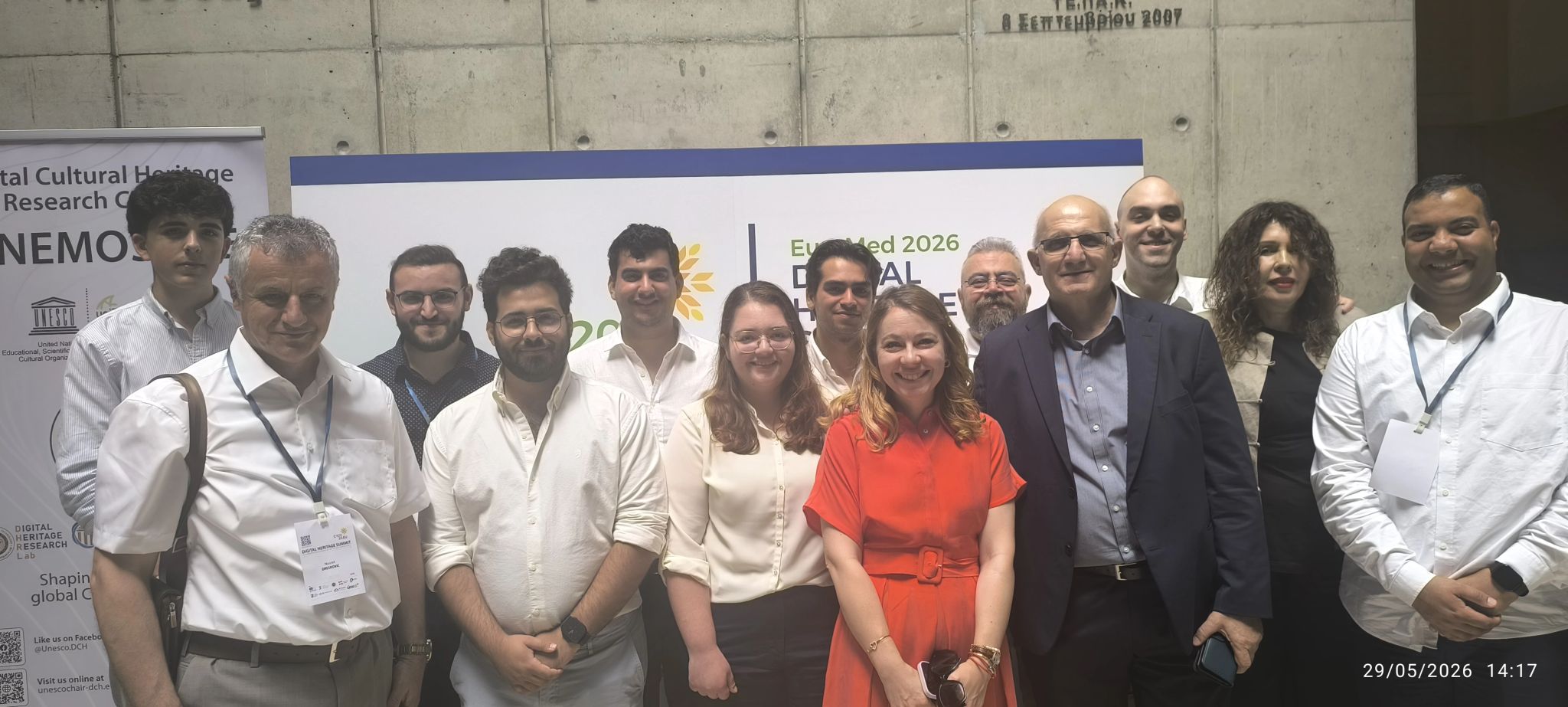
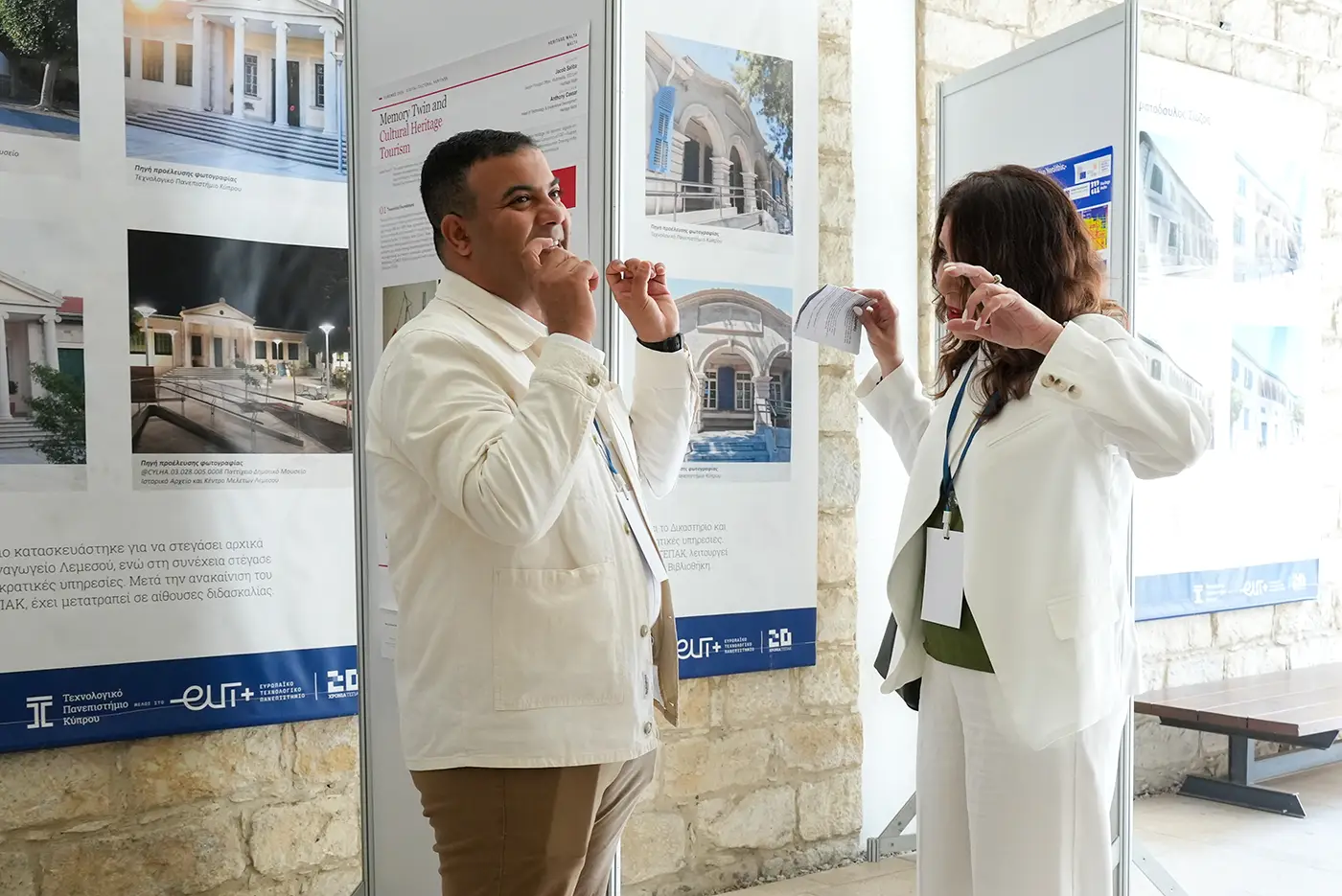
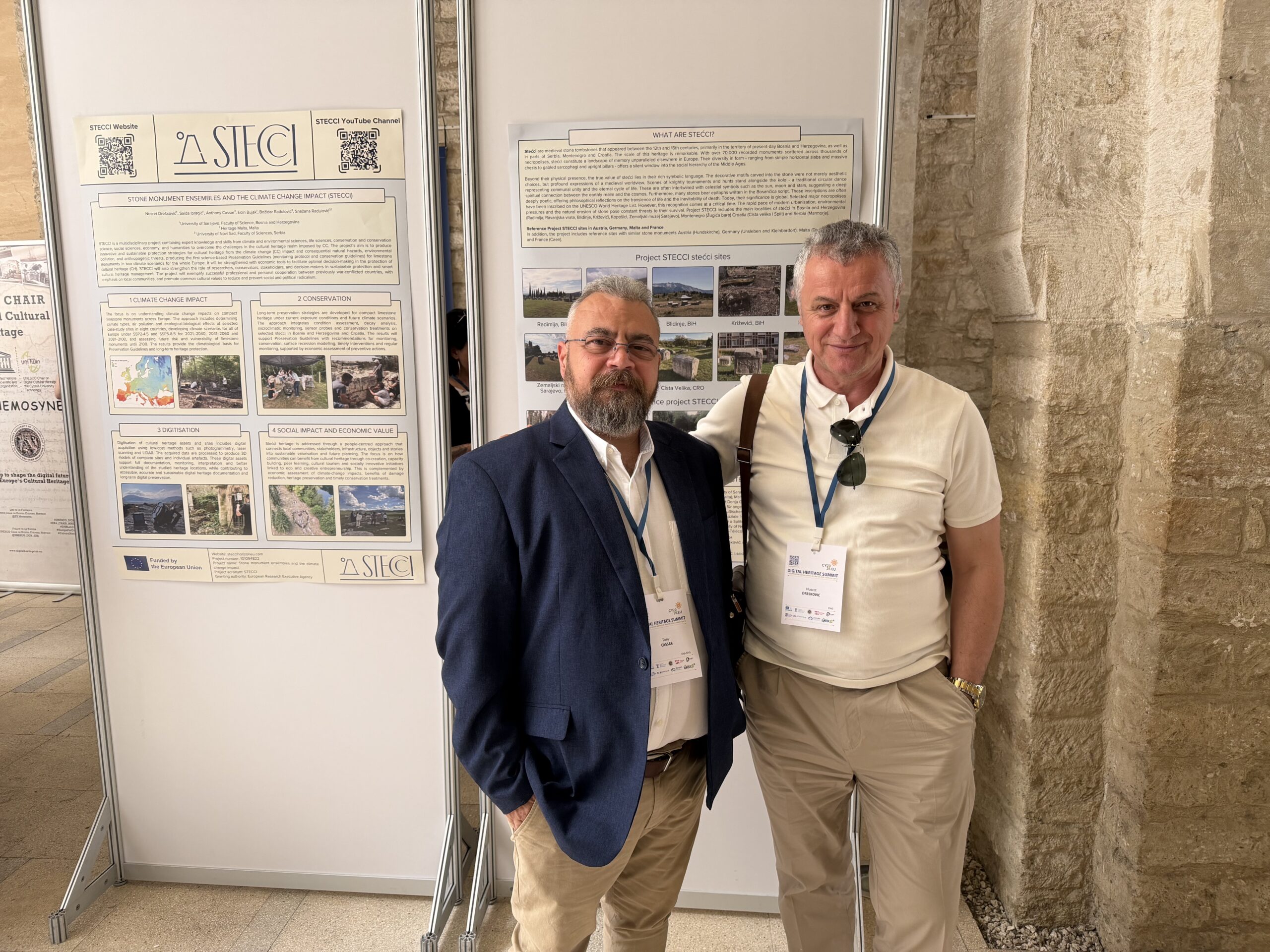
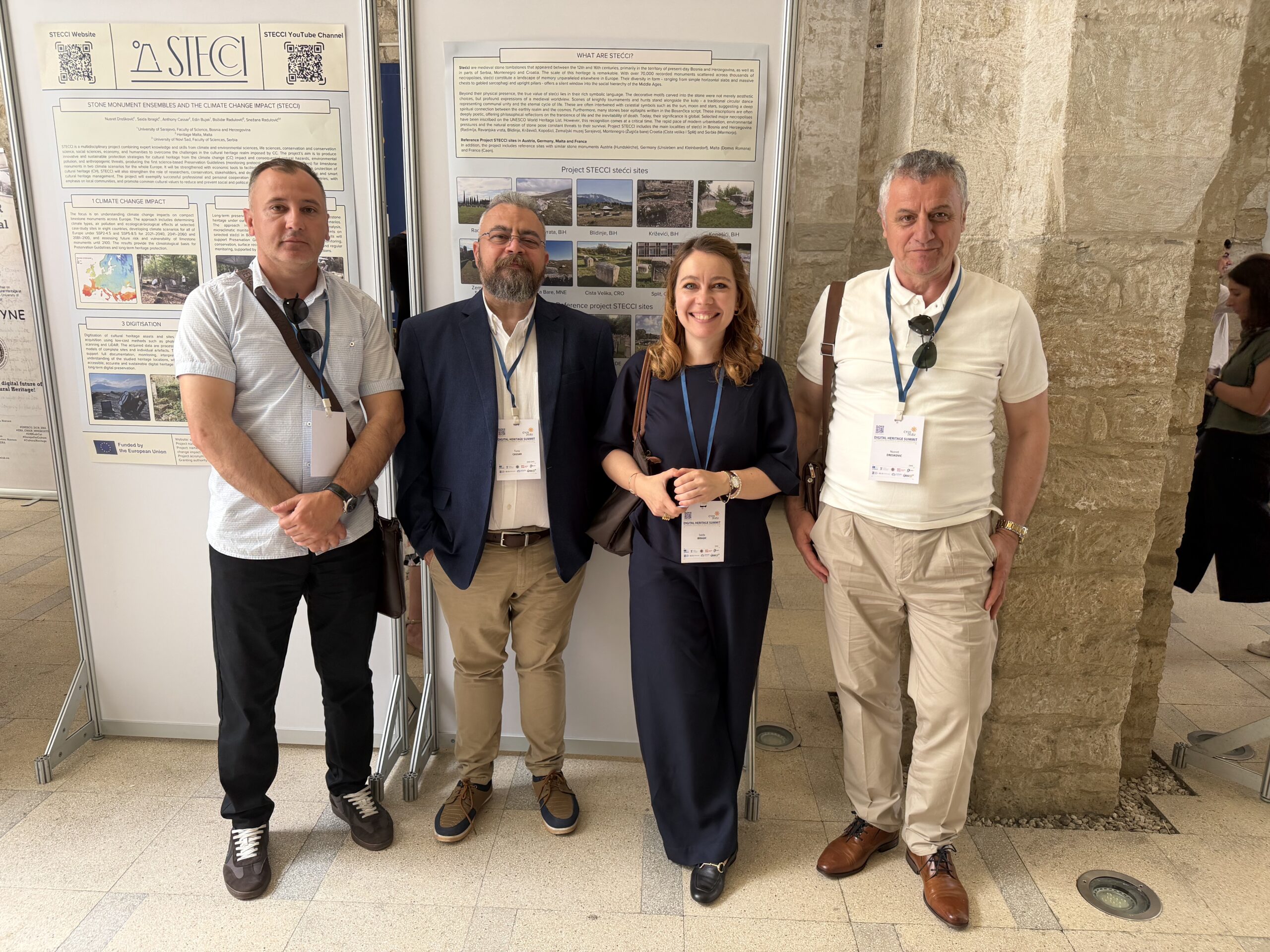
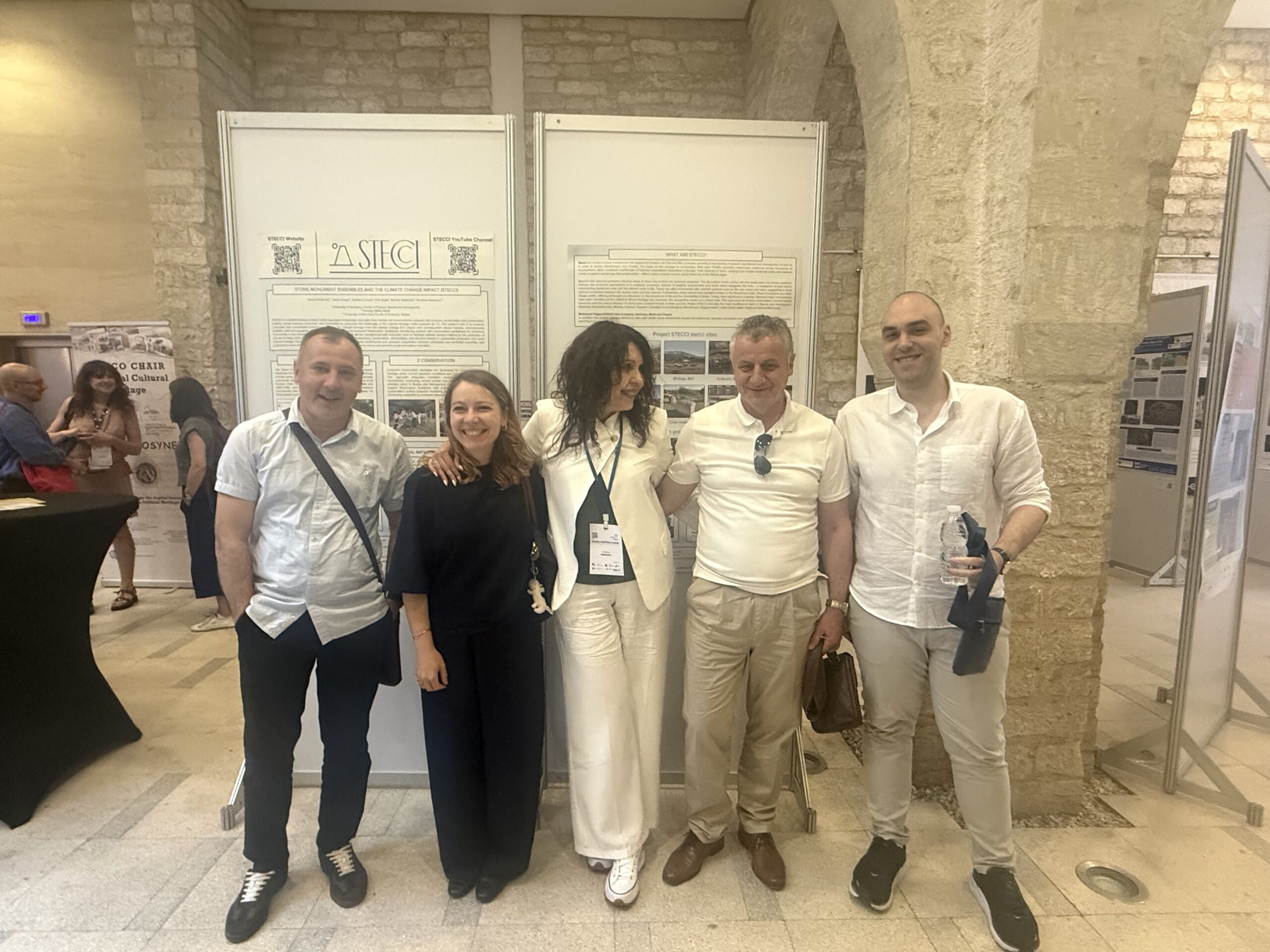
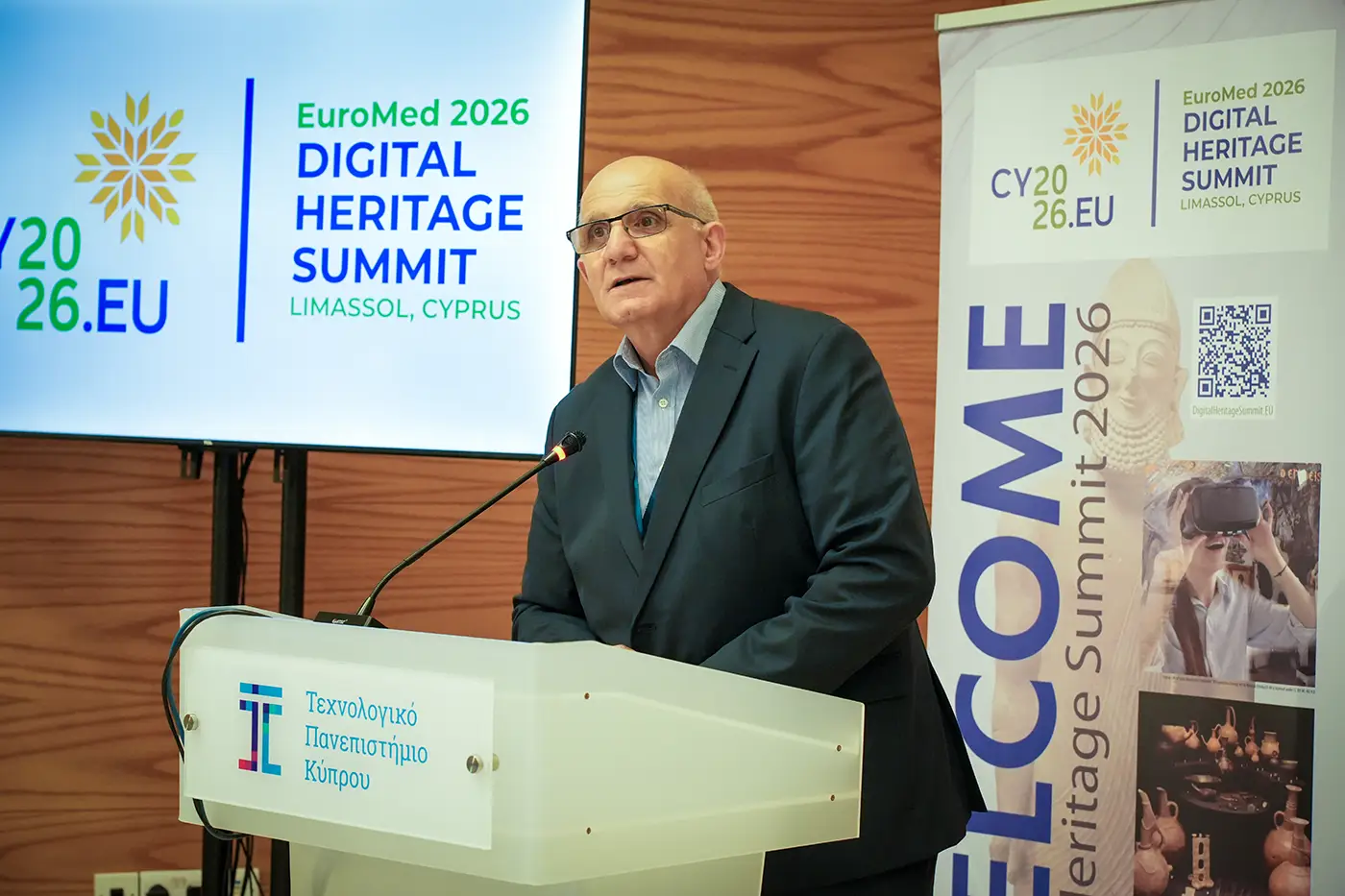
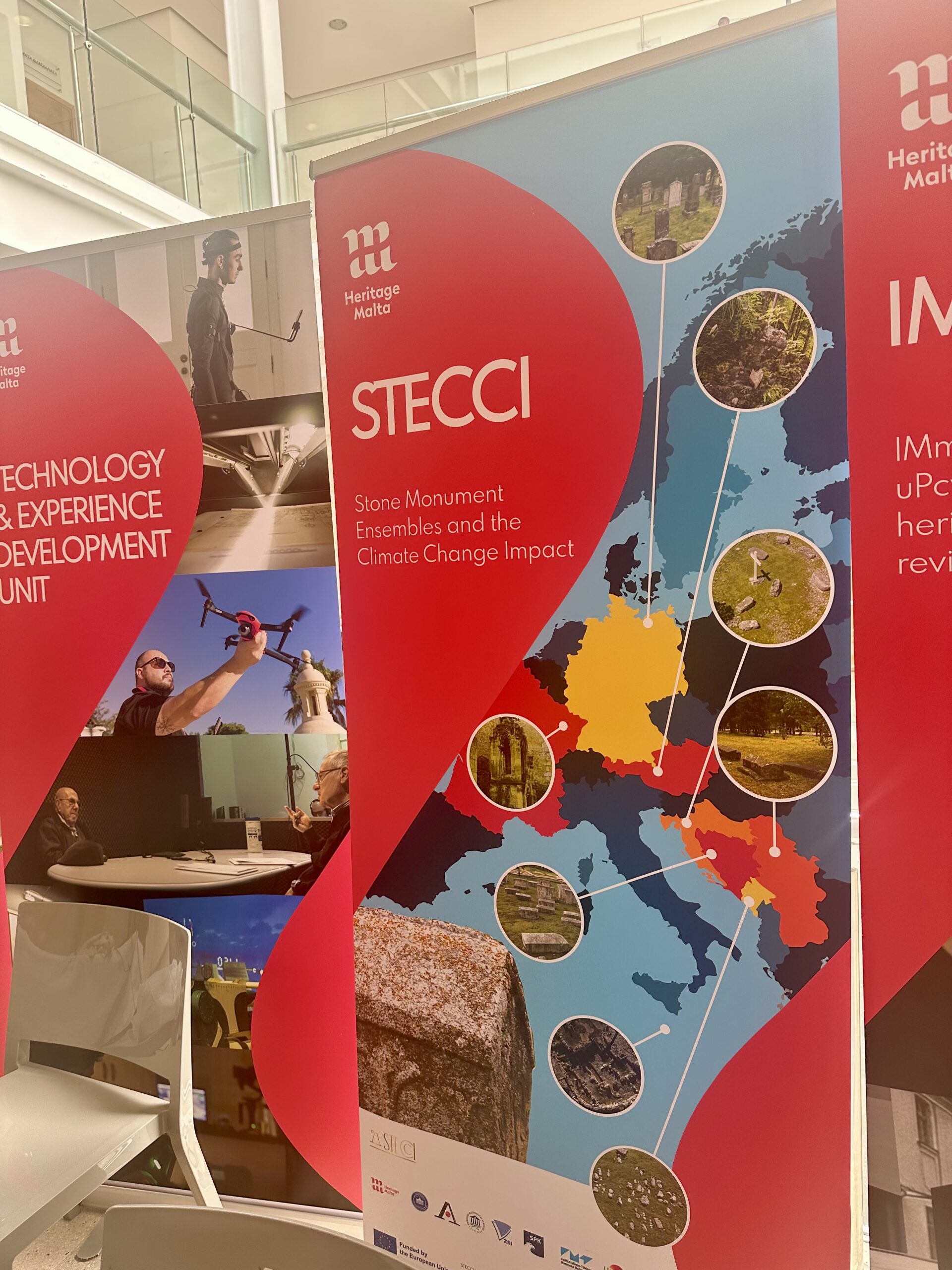
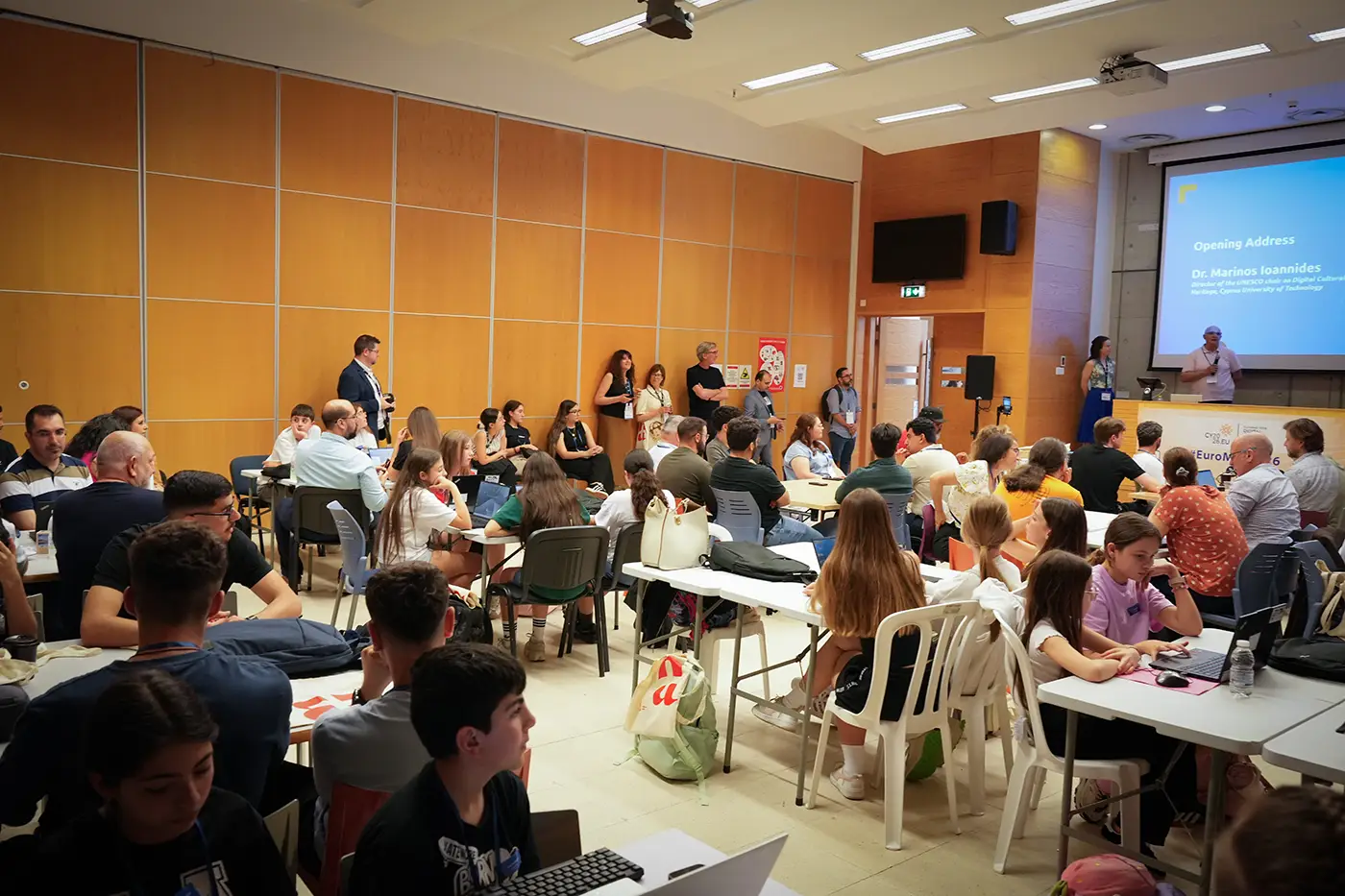
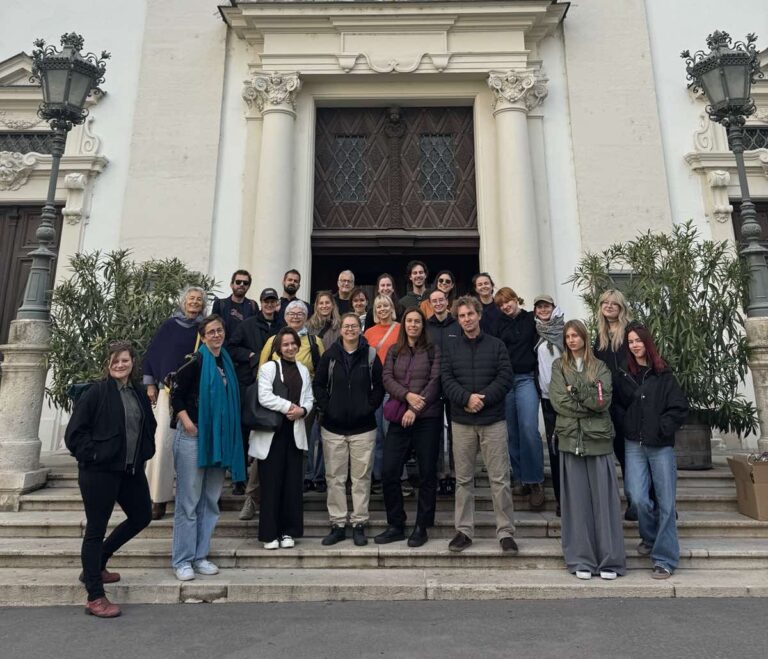
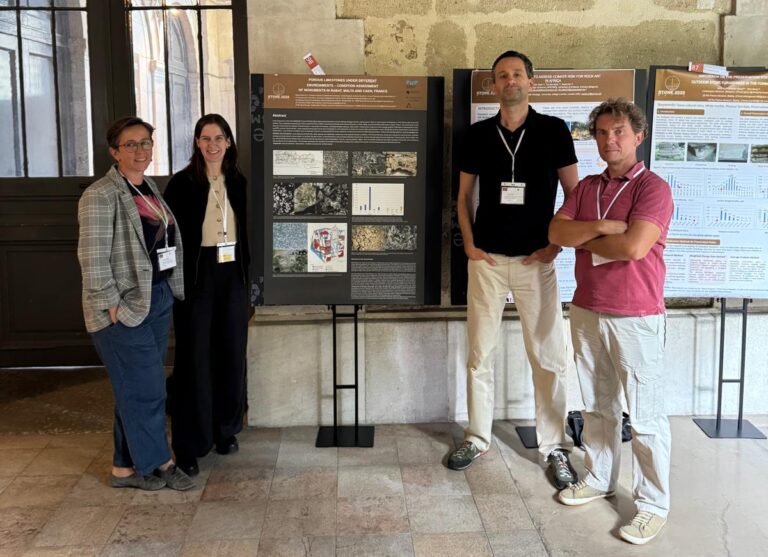
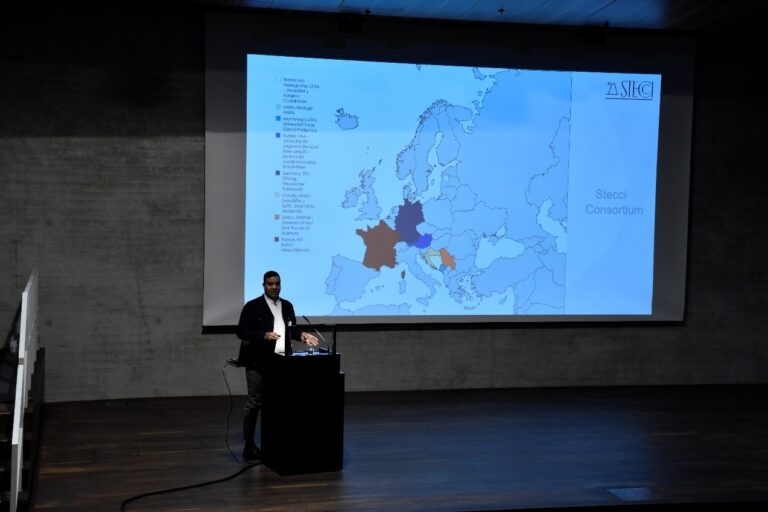
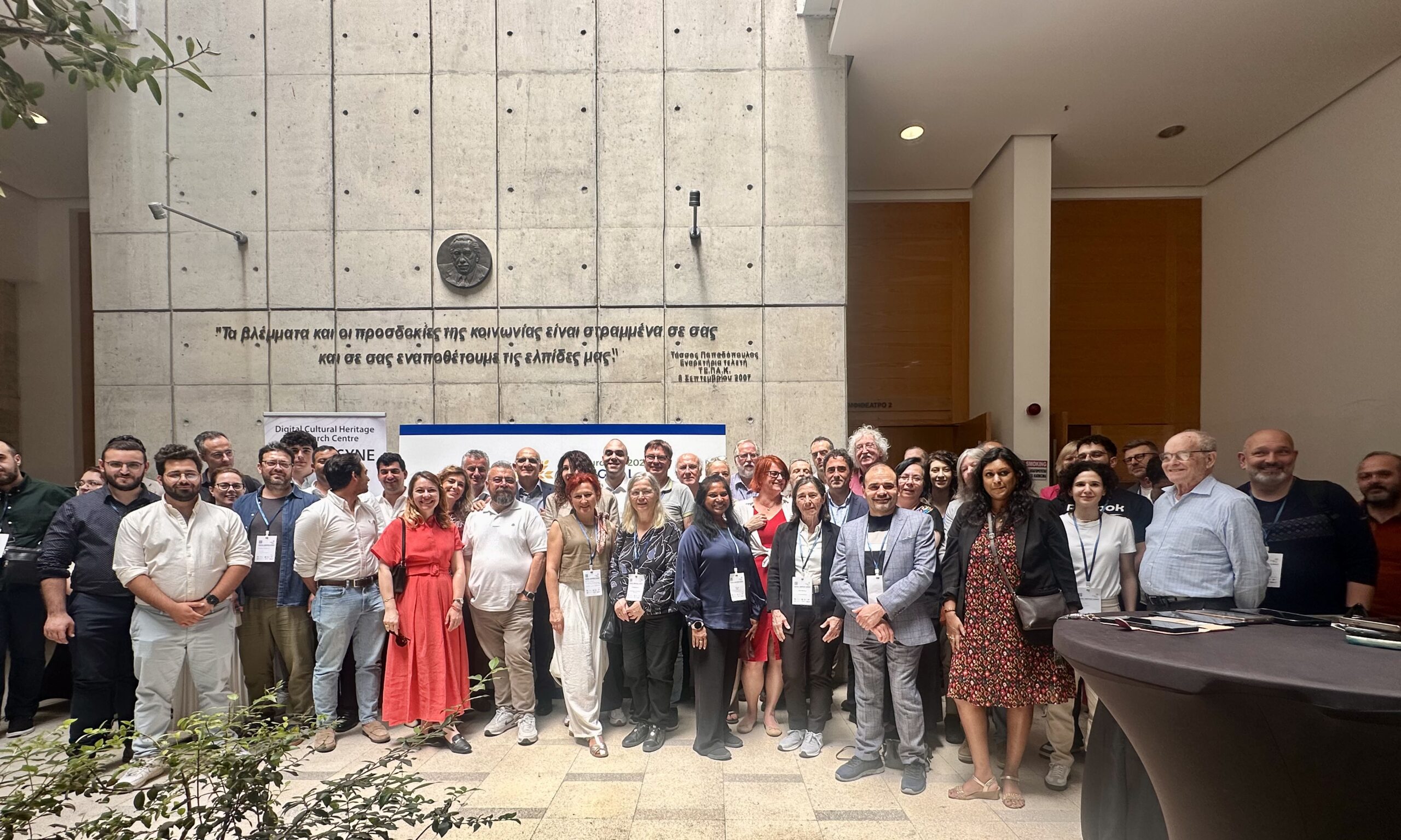
Representatives of the STECCI project participated in the Digital Heritage Summit (DHS) 2026 in Limassol, Cyprus, upon the invitation of the project’s Advisory Board member, Dr. Marinos Ioannides, UNESCO Chair in Digital Cultural Heritage. The project was represented by partners from the University of Sarajevo (UNSA), Heritage Malta (HM), the University of Novi Sad, Faculty of Sciences (UNSPMF), and Stiftung Preussischer Kulturbesitz (SPK).
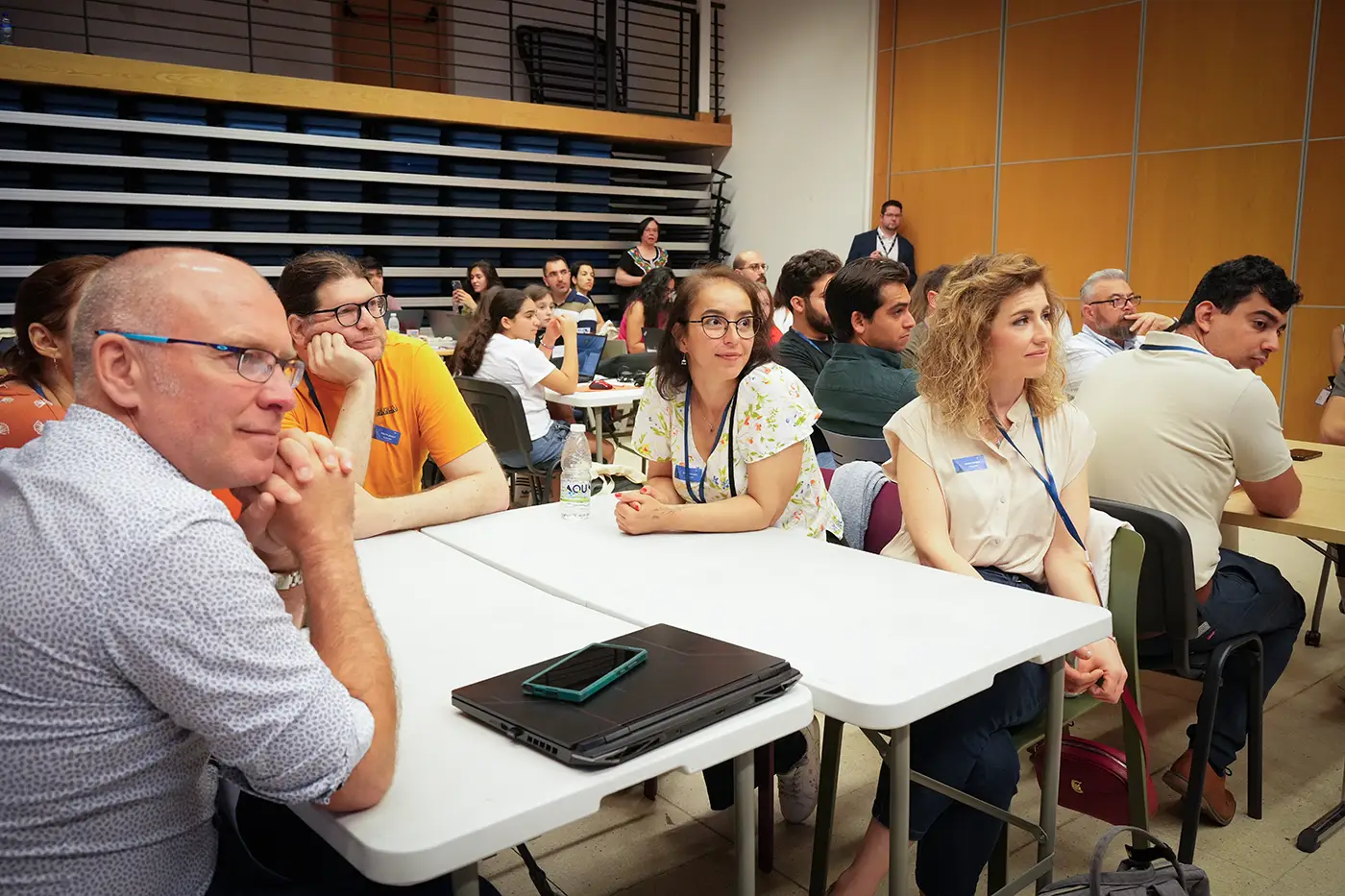
Through presentations, round-table discussions, the Heritage Hackathon, and networking activities, the STECCI consortium showcased its interdisciplinary approach to safeguarding cultural heritage under climate change, highlighting how advanced digitisation can be integrated with scientific condition assessment, analytical investigations and climate datasets to support long-term preservation strategies.
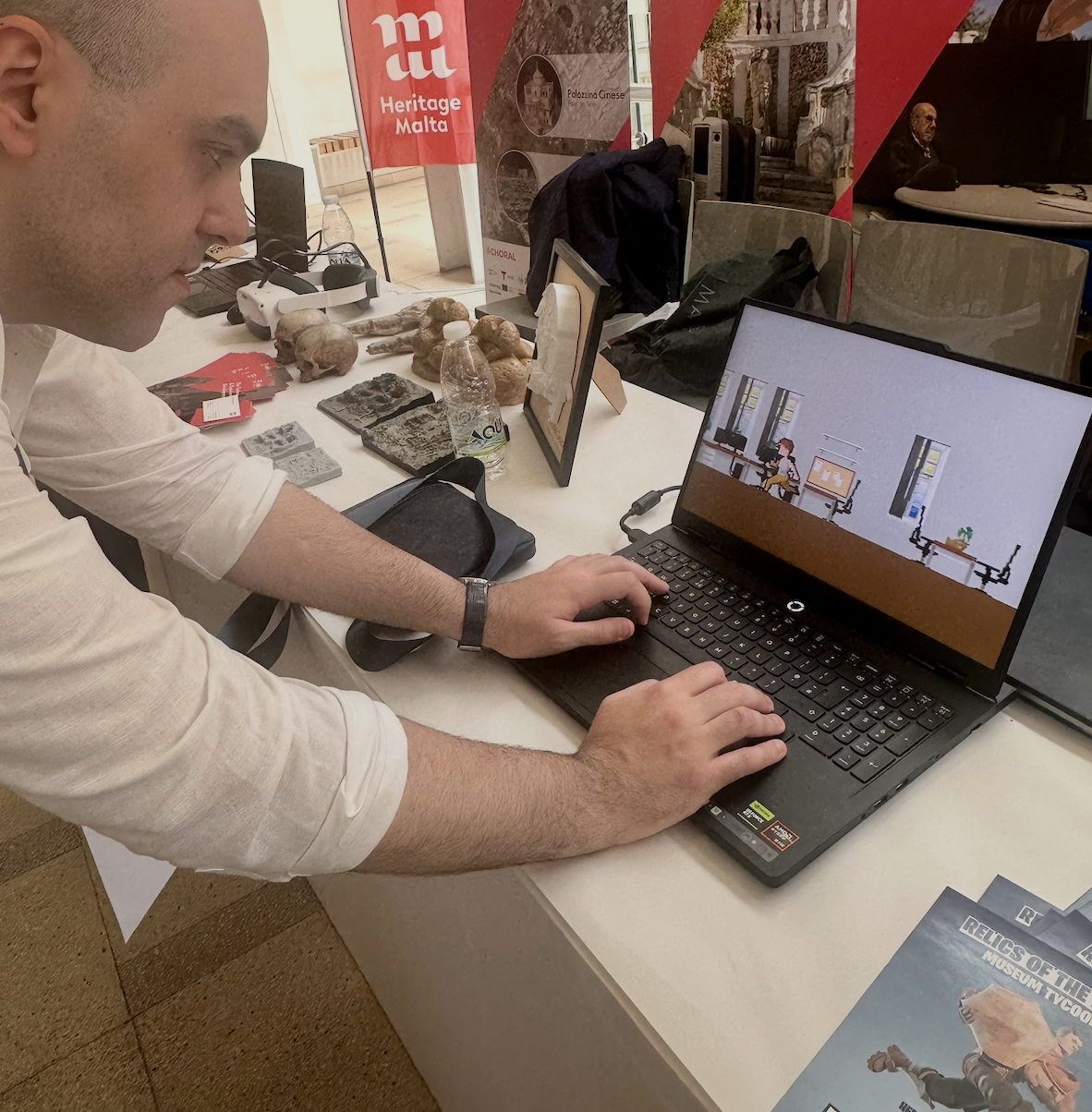
As part of the summit’s innovation activities, a curated selection of digital assets generated within the STECCI project was made available to participants of the Heritage Hackathon. These assets provided an opportunity for developers, researchers and heritage professionals to explore new applications of digital cultural heritage data, demonstrating the potential for innovative reuse of project outputs beyond their original research context.
Among the topics discussed during the summit was the concept of the Heritage Memory Twin, which extends beyond the traditional digital twin or visual replica. Rather than representing only the geometry and appearance of a heritage asset, a Heritage Memory Twin integrates historical narratives, conservation documentation, analytical results, climate and environmental datasets, material transformations, deterioration histories, intervention records and stakeholder knowledge into a dynamic digital resource. Such an approach reflects the growing recognition that digital heritage should capture not only the current state of an asset, but also the knowledge, processes and changes that shape its long-term preservation.
Another important topic discussed during the summit was the need for a “what-to-scan” methodology, focusing on quality rather than quantity. As digital heritage initiatives continue to expand, prioritising meaningful, scientifically informed documentation is becoming increasingly important. The consortium highlighted that the value of digital assets depends not only on their visual quality, but also on the richness, reliability, scientific relevance and long-term usability of the associated data.
Participants also addressed one of the major challenges facing the heritage sector: the long-term preservation, interoperability, accessibility and reuse of digital datasets. The discussions highlighted the need for interoperable digital heritage infrastructures that integrate 3D documentation, scientific analyses, conservation records and climate data to support evidence-based decision-making and long-term preservation. Participants further emphasised that future policies should recognise digitisation as a strategic tool for climate adaptation, preventive conservation, monitoring and risk-based prioritisation of interventions, while ensuring data quality, interoperability and long-term accessibility.
The summit also provided an opportunity to discuss emerging applications of artificial intelligence in heritage preservation. Although not originally foreseen in the STECCI proposal, the rapid evolution of AI technologies has opened new opportunities for the project. STECCI is currently exploring the use of AI-assisted approaches for the identification and interpretation of deterioration patterns in stone heritage. At the same time, project representatives stressed that AI and heritage digital assets can only be as reliable as the scientific quality, contextual understanding and completeness of the underlying data. Meaningful applications of AI therefore depend on robust documentation, high-quality analytical datasets, climate information and expert interpretation.